
TL;DR
Corporate catering is not just a one time win, it is a repeatable revenue engine. If you want quarterly contracts, make it easy for the buyer to rebook you. Build a one pager that answers pricing, timing, dietary needs, and setup. Offer one simple package, one flexible package, and one premium package. Show proof you are reliable. Then run a follow up cadence that treats the first event like an audition and turns it into a standing lunch.
1. Why corporate catering is the most underutilized revenue channel for food trucks right now
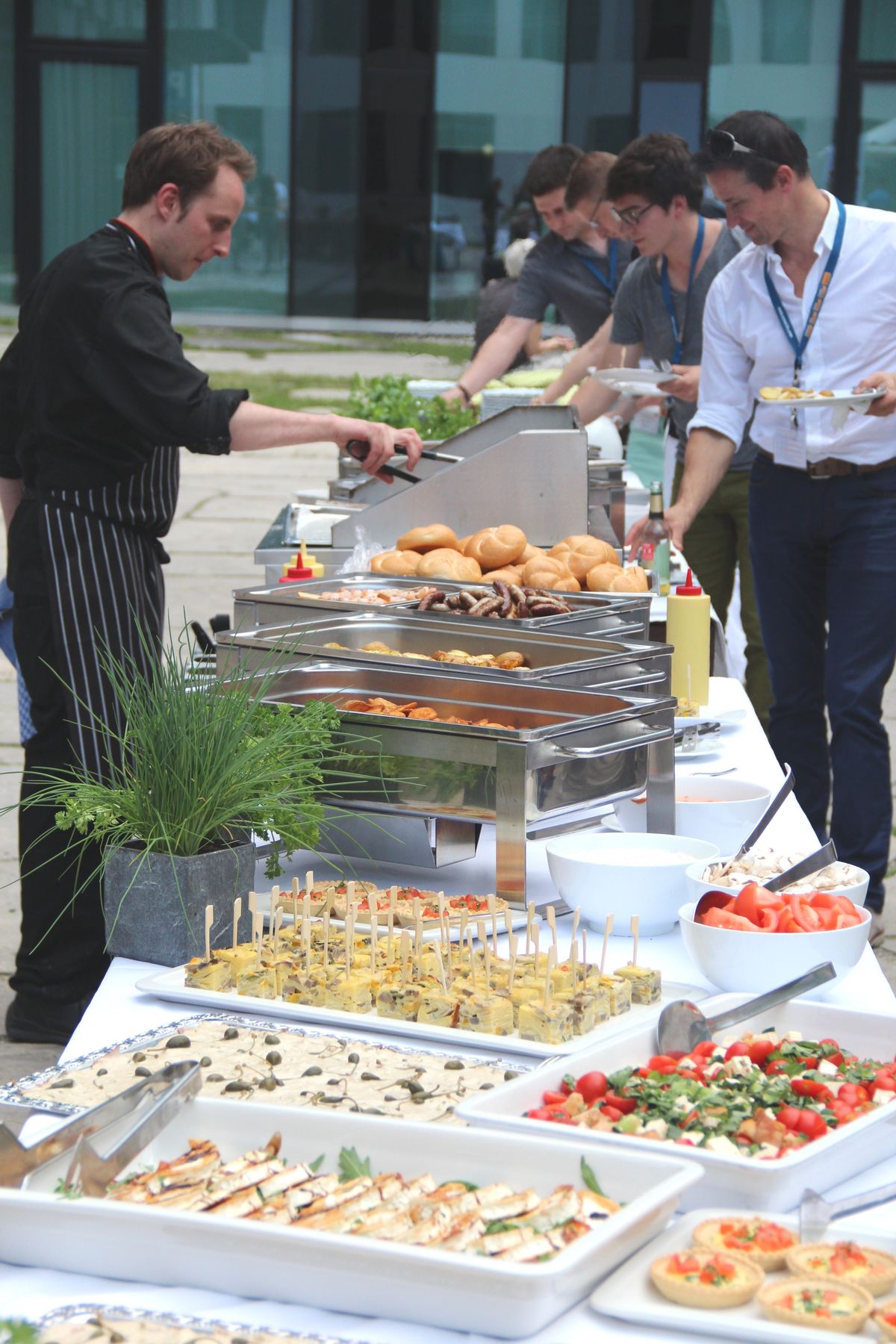
Street service is volume and chaos. Corporate catering is predictable, higher ticket, and easier to plan. A company lunch has a start time, a headcount, and a budget. When you deliver those three things without drama, you become a vendor they can reuse.
The math is simple. One recurring lunch can cover a slow weekday and stabilize payroll. It also makes your marketing cheaper because the same buyer is reordering you instead of you chasing new foot traffic every week.

2. The decision maker map: who actually books food and what they care about
Corporate catering is not booked by a single person type. It is booked by whoever owns the pain. Your job is to identify the role and then speak to the job they are trying to do.
A shortcut that works: ask one question in your first email. Who is the best person to coordinate food for team lunches and events. That single line routes you to the right role without guessing.

3. How to build a catering pitch one pager that gets a response
Most catering pitches fail because they ask the buyer to assemble the plan themselves. Your one pager should make it possible to say yes in one thread.

4. Pricing structures that work for recurring corporate contracts
Recurrence loves simplicity. The buyer needs to know what the invoice will look like before they ask for approval. You need pricing that stays profitable when headcount shifts and dietary needs show up.
The rule: if your pricing requires a phone call to understand, it will not get rebooked. Clarity is the sales advantage.
5. The logistics checklist companies expect before they will book you
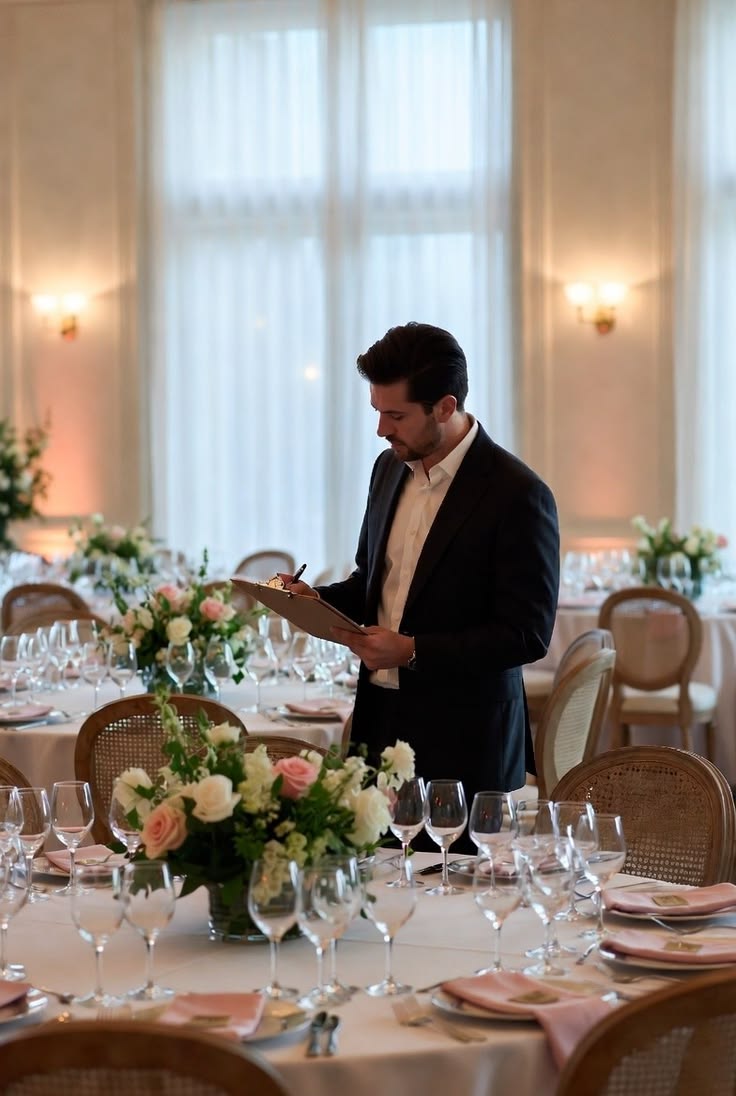
Companies do not buy food. They buy a meeting that runs on time, a team that feels cared for, and a vendor who does not create a facilities problem. The fastest way to win trust is to send a checklist before they ask.
When you send this upfront, you become the vendor they can confidently forward to their boss with no extra questions.

6. How to follow up after a one time event and convert it into recurring
The follow up is where most operators drop the bag. They do a great event, then they vanish. Corporate buyers are busy. If you do not make the next booking effortless, they will pick the next vendor that does.
7. What your catering menu should look like vs your street menu
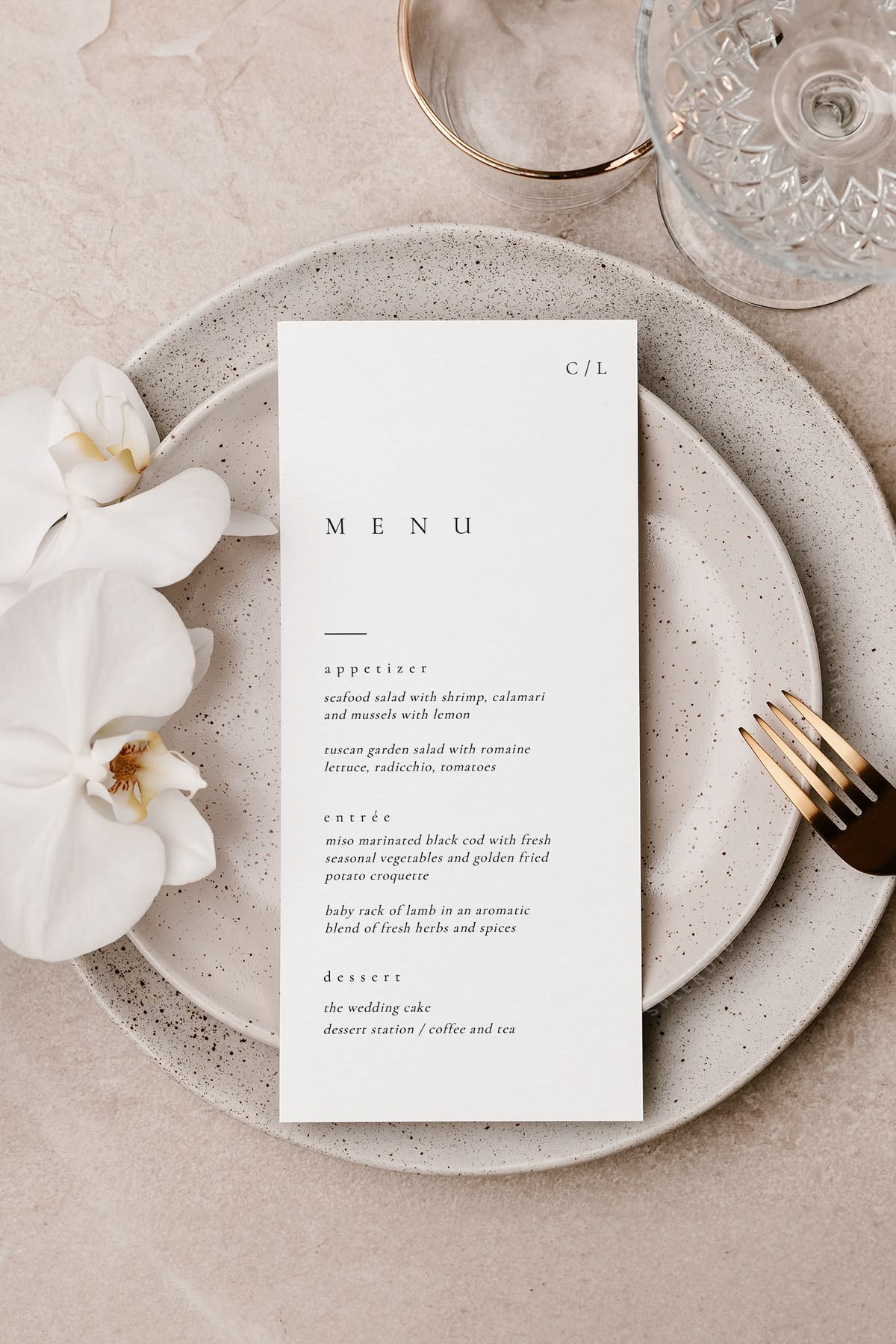
Your street menu is built for individuality. Corporate catering is built for a room. Your goals are speed, consistency, and coverage. That means fewer choices, clearer defaults, and a path for dietary needs that does not turn into chaos.
If you want recurrence, make the second order even easier than the first. A simple menu that still feels premium is how you get there.
8. Using your loyalty platform to reward repeat corporate clients
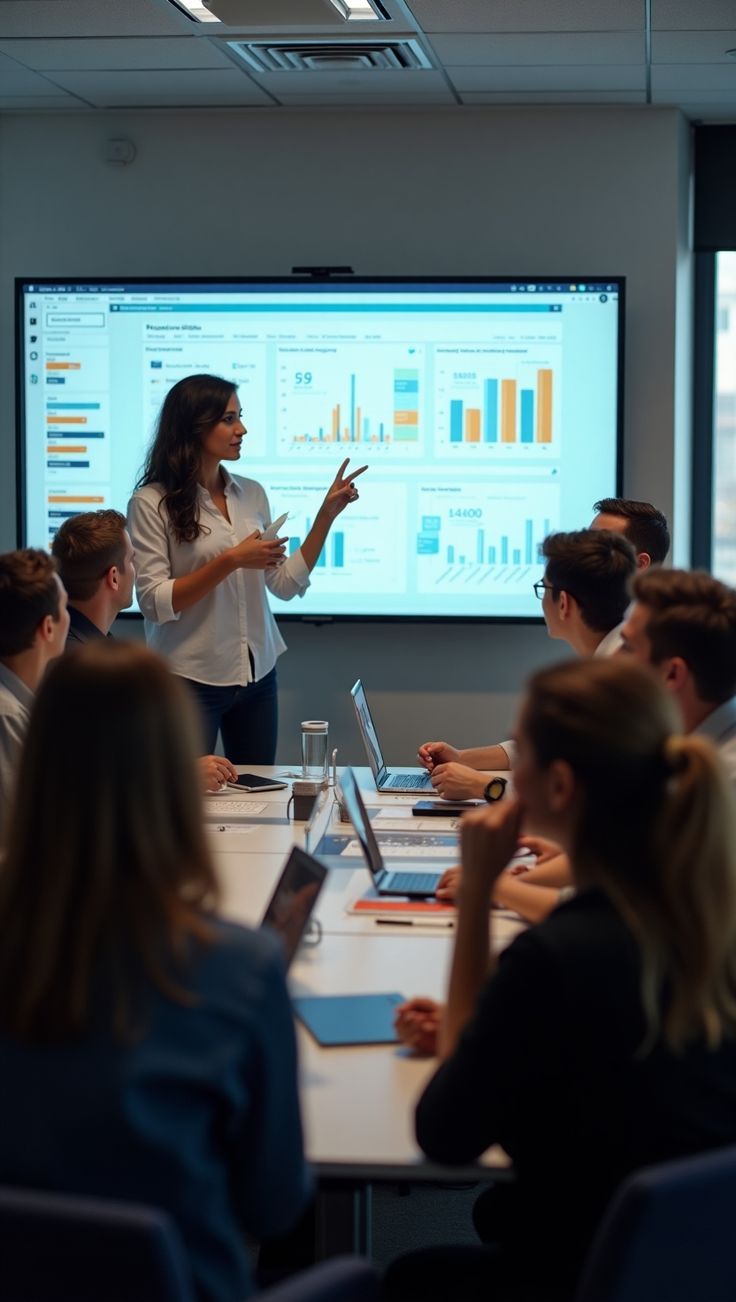
Corporate buyers are still humans. They love being the person who brings in the vendor everyone is excited about. Your loyalty loop should reward the company and the champion who books you.
This is not about discounts. It is about making the buyer look good and making rebooking feel like the obvious move.

9. The close: turning a great lunch into a quarterly contract
Quarterly contracts are usually not formal. They are a standing pattern on a calendar, a saved vendor in a spreadsheet, and an email thread that starts with "same as last time." Your job is to create that default.
Own the ordering experience for your catering clients too.
Start FreeNo monthly fees. One dollar per order. Cancel anytime.