
TL;DR
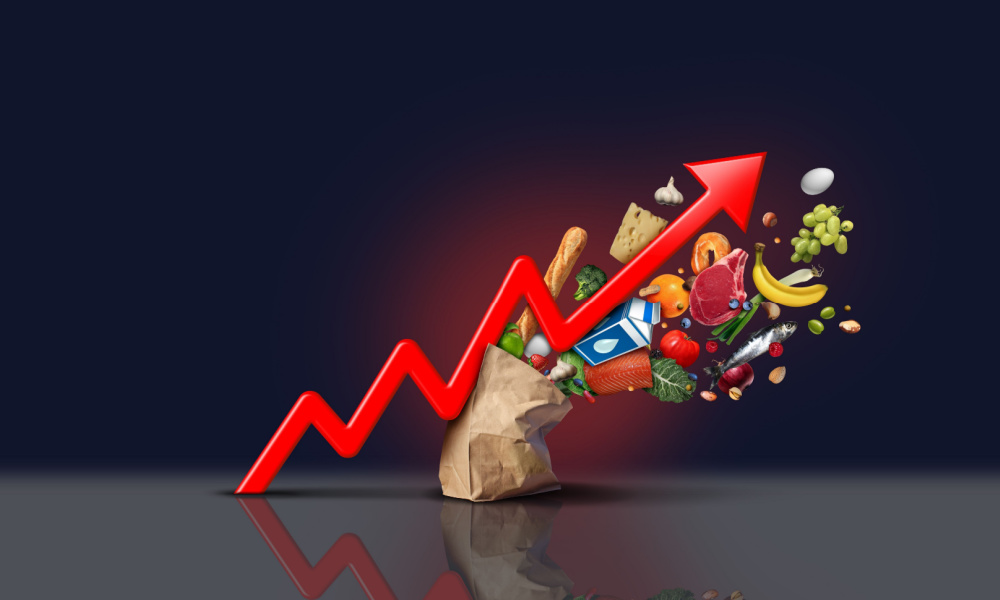
Food cost percentage is your ingredient spend divided by food sales. For food trucks, 28% to 30% is the sweet spot. Most operators calculate it wrong by guessing or using purchase totals instead of actual usage. Your menu price directly shapes your food cost: too low and you hemorrhage; too high and you lose volume. Run ingredient audits to find the items destroying your margins. Portion control can add 5% to 10% to your food cost if you are not careful. Negotiate with suppliers and bulk buy smartly without over-ordering. Design your menu around high-margin, low-waste stars. Track food cost weekly with real inventory, not estimates.
1. What Food Cost Percentage Actually Means (and Why 28-30% Is the Sweet Spot)
Food cost percentage is simple: it is the portion of your food sales that goes to ingredients. If you sell $100 in tacos and your ingredients for those tacos cost $28, your food cost is 28%. That leaves 72% for labor, rent, fuel, insurance, and profit. The math is straightforward. The discipline to hit the number consistently is not.
For food trucks, 28% to 30% is the target because your overhead is different from a brick-and-mortar. You have generator fuel, propane, vehicle maintenance, and often higher labor cost per order (small crew, high throughput). Go above 35% and your margins disappear. Go below 25% and you might be overcharging, driving away customers, or running a menu that is too cheap to make (rice and beans only). The sweet spot leaves room to breathe.
Fun fact
A 2% drop in food cost (say, from 32% to 30%) on a $100K annual food spend means an extra $2,000 straight to your bottom line. No extra sales required.
Target zone: 28% to 30%
2. How to Calculate Your Current Food Cost (and Why Most Operators Get It Wrong)
The formula: (Food Cost / Food Sales) x 100. Food cost means the actual cost of ingredients used, not what you bought. Food sales means revenue from food only, not drinks, tips, or merch. Most operators make one of three mistakes: they use purchase totals instead of usage (so a big Costco run inflates the number), they mix in non-food items, or they guess.
To do it right, track inventory. Opening inventory + purchases minus closing inventory = food used. Divide that by food sales for the same period (day, week, or month). A weekly cadence works well for food trucks. Pick the same day each week (e.g., Sunday night) and count. It takes 20 to 30 minutes once you have a system. The payoff is you stop flying blind.
If you have never done a full count, your first number will be rough. That is fine. Consistency beats precision. Once you track for four weeks, patterns emerge. You will see which days or events spike your cost and where the leaks are.
3. The Relationship Between Menu Pricing and Food Cost (and How to Find the Balance)
Menu price and food cost move together. If a taco costs you $1.20 in ingredients and you sell it for $4, your food cost on that item is 30%. Raise the price to $5 and you drop to 24%. Lower it to $3 and you jump to 40%. Every price change affects the percentage.
The balance: you want prices high enough to hit your target food cost, but not so high that customers balk. Test. Raise a slow-moving item by 10% and see what happens. Lower a top seller and watch volume. Your market will tell you where the ceiling is. The goal is not to max out every item; it is to have an overall food cost that lands in the sweet spot while keeping traffic strong.
Quick target price formula
4. Ingredient Auditing: Knowing Which Items Are Quietly Destroying Your Margins
Not all menu items are equal. Some make you money. Some bleed it. An ingredient audit tracks the actual cost and food cost percentage of every item. You will find surprises. That "cheap" add-on that uses an expensive cheese? It might be 45% food cost. The fan-favorite special with premium protein? Could be fine if you priced it right, or a disaster if you guessed.
List every ingredient in each dish. Add up the cost. Divide by the menu price. Items over 35% need a price bump, a portion cut, or a substitute ingredient. Items under 25% might be under-priced; you could raise them or use them as loss leaders deliberately. Run the audit once, then revisit when you change suppliers or recipes. It is tedious but it pays.
5. How Portion Control Directly Impacts Your Food Cost Percentage
Every extra scoop of meat, handful of cheese, or heavy pour of sauce adds up. A 10% over-portion across your entire operation means your food cost is 10% higher than it should be. On a $50K annual food spend, that is $5,000 in the trash (or in the customer's to-go box at your expense).
Fix it with scales, portion cups, and prep sheets. Weigh proteins. Measure sauces. Train your crew and audit random plates. "Generous" feels good until you realize you are giving away a week's profit in extra portions. Consistency matters: the same portion every time, for every order. Your customers get predictability. You get predictable margins.
The math
If you serve 200 orders a day and over-portion by 50¢ per order, that is $100 a day. Over 250 operating days, that is $25,000 a year left on the table.
6. Supplier Negotiation and Bulk Buying Strategies (Without Over-Ordering)
Cheaper ingredients mean lower food cost, but only if you use them. Bulk buying saves money per unit, but over-ordering leads to waste, spoilage, and freezer burn. The trick is to buy in volumes that match your sales velocity. If you sell 50 pounds of chicken a week, do not order 200 pounds "because it was a deal." You will throw half of it away.
Negotiate with suppliers: ask for case discounts, loyalty programs, or price holds when you commit to volume. Some distributors offer better rates if you order on specific days or meet minimums. Build a relationship. One truck is small, but consistent orders matter. And always compare: prices change. A supplier that was cheap six months ago might not be now. Review your top 20 ingredients quarterly.
7. Menu Engineering: Designing Your Menu Around High-Margin, Low-Waste Items
Menu engineering is about placing and promoting items that make you money. Stars are popular and profitable. Plowhorses are popular but thin margins. Puzzles are profitable but slow. Dogs are neither popular nor profitable. You want more stars, fewer dogs.
Design new items with margin in mind. Use ingredients that have good shelf life and low waste. Cross-utilize: if you buy peppers for one dish, find two more uses. Avoid items that require one-off ingredients you will never use again. Feature your stars. De-emphasize or rework your dogs. A small menu with high turnover beats a long menu with dead weight.
Menu matrix
8. How to Track Food Cost Consistently (So You Are Not Flying Blind Every Week)
Tracking once a month is not enough. By the time you see a bad number, you have already lost a month. A weekly cadence catches problems fast. Same day, same process. Opening inventory, add purchases, subtract closing. Divide by food sales. Write the number down. Over time you will see trends: which events spike cost, which days are lean, which menu changes helped or hurt.
Use a simple spreadsheet or a POS that supports food cost tracking. The tool matters less than the habit. If you skip a week, you lose the thread. Make it non-negotiable. The 20 minutes you spend on Sunday night will save you thousands over the year. You will know when to raise prices, when to cut portions, and when to drop a menu item that is no longer worth it.