
TL;DR
The trucks winning in 2026 are not chasing every viral sound. They are stacking formats customers already understand, then adding one unmistakable global twist, building plant forward dishes that taste first and label second, rotating LTOs on a prep realistic calendar, leaning into cuisines people are actively searching for, testing specials like product experiments, copying the margin shape of hits without copying the recipe, writing menu lines that sound like their brand, and letting loyalty and direct order data say which items deserve a permanent slot.
1. The global flavor combos showing up on the best performing menus
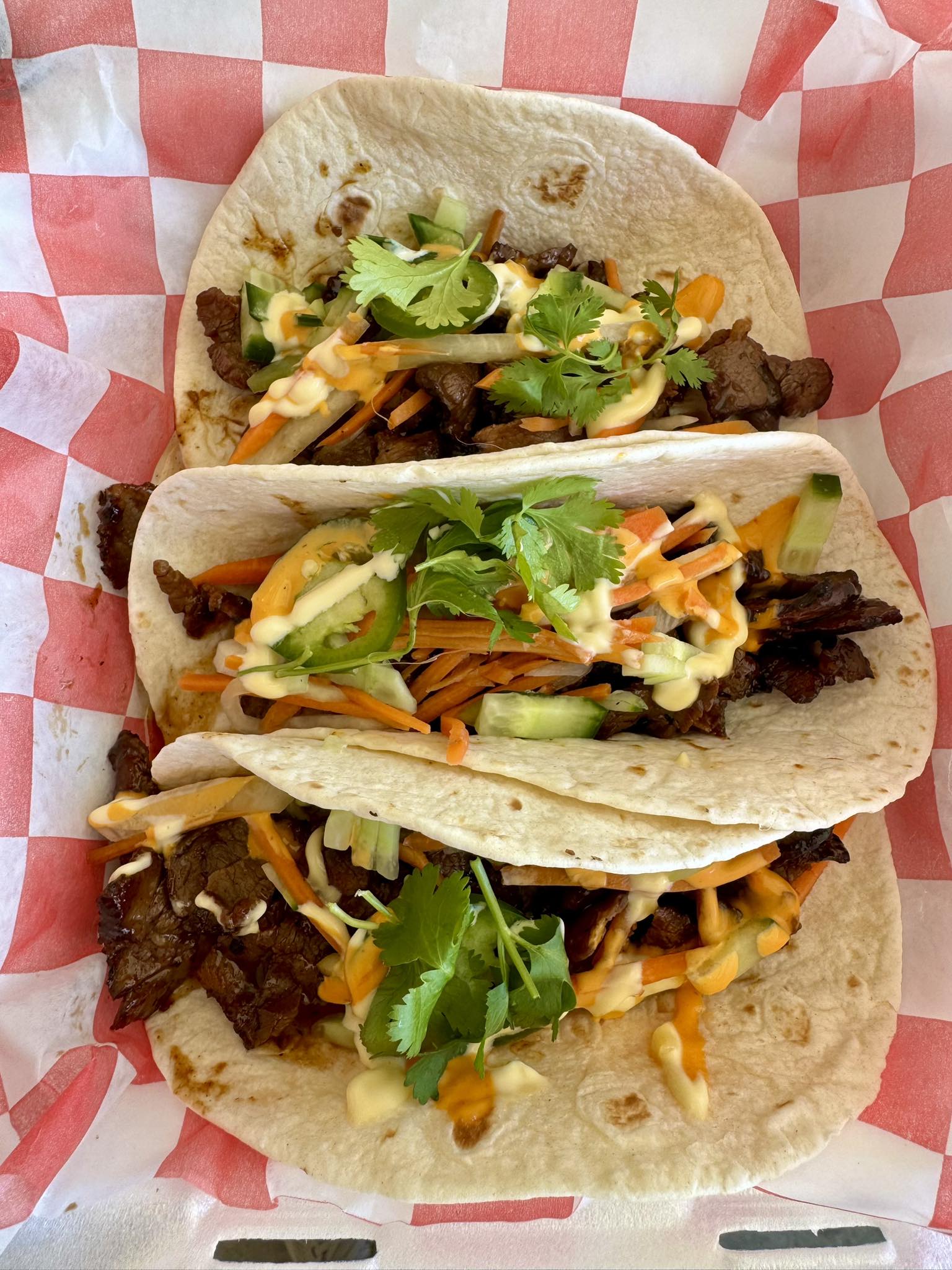
The combos that move on trucks right now share a pattern. The customer can name the dish in under three seconds. The photo reads in one scroll stop. The heat, acid, or crunch lands in a familiar carrier like a taco, rice bowl, hand held wrap, or sandwich that your line already knows how to fire.
Think gochujang glaze on something that still reads as a taco, tamarind or citrus punch on grilled protein you already prep daily, chili crisp as the “extra” instead of five new sauces, or a single fermented element that makes the whole line feel intentional. You are not opening a passport. You are giving people a reason to pick you when three other trucks sell the same protein.
High when the caption basically writes itself and the plate still fits your existing pickup dance.
If your “global” item needs a long story at the window, it can still work, but it will move slower at lunch. Lead with the one line people repeat when they text a friend.
Watch your ticket mix after you launch. If the new item sells but average cook time jumps or your expediter starts apologizing, the flavor idea might be right while the build is wrong. Shrinking components, pre saucing in the pan, or moving garnishes into a single pickup cup often saves a trend from dying on operations, not taste.
2. “Plant based” is not enough anymore
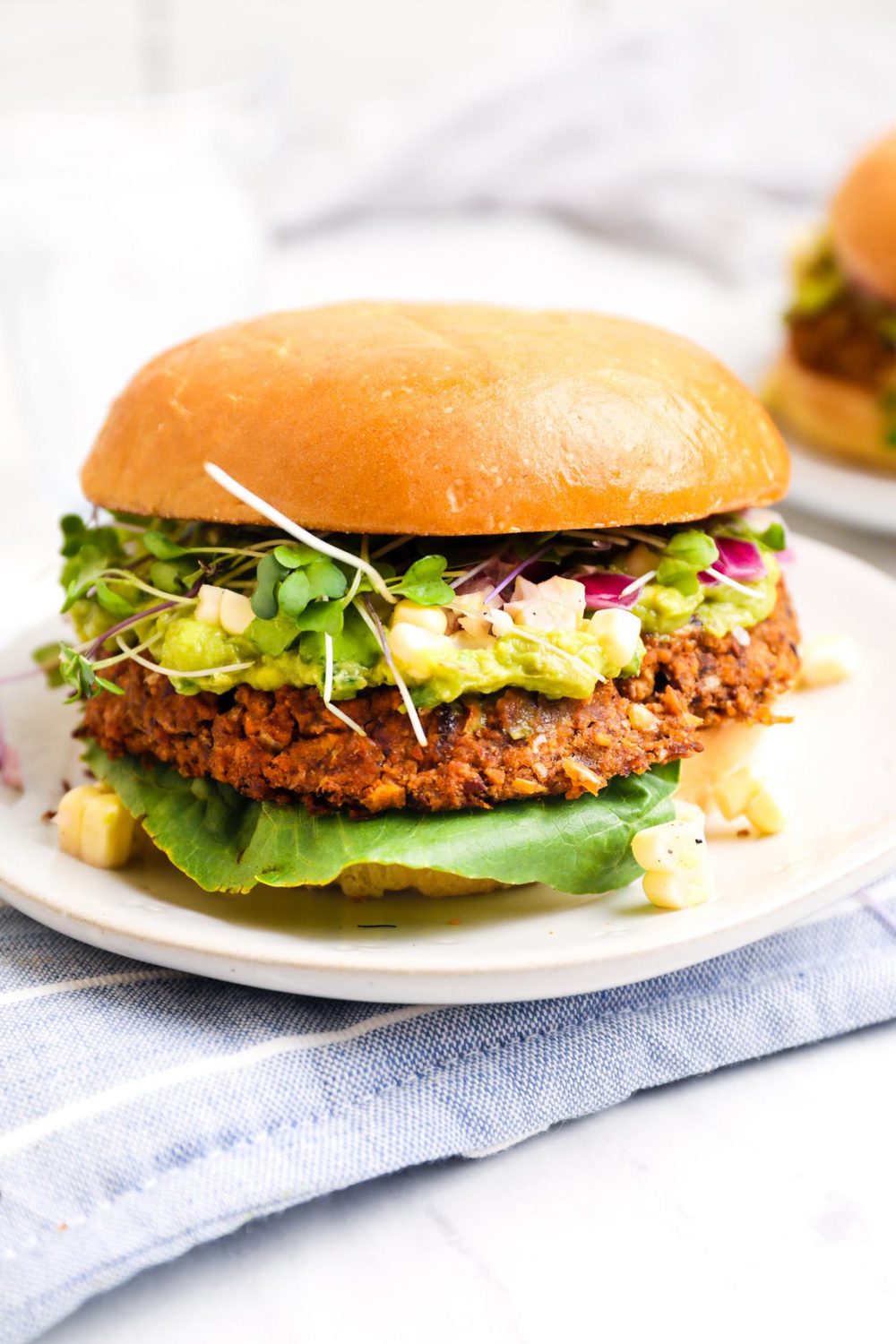
A dry portobello with mozzarella pretending to be a “veg option” is a receipt printer apology. The 2026 wave is veggie forward where the dish would still slap if you removed the label. Char, smoke, fat from quality oil or nuts, real texture, and sauces that were built for the vegetables instead of borrowed from meat recipes.
Operators getting repeat plant orders are doing three things. They pick a hero vegetable with backbone (cauliflower with crisp edges, mushrooms that are roasted not steamed, eggplant that can hold chili oil). They keep SKUs sane by cross using the same marinade or dressing on meat and veg versions. They describe flavor on the board, not ethics. People order what sounds loud and craveable.
Menu copy check
Swap “plant based” for the tastier lead word when you can: smoked, crispy, charred, citrus, koji, chili, coconut, sesame crunch. Save the dietary label for the modifier line or your ordering allergen notes.
Bonus: a strong veg special acts like a hook for mixed groups where one person was ready to veto the whole truck. Capture that table or office Slack thread and you just earned four bowls instead of one.
If you run a meat forward brand, think in terms of sides that can become mains, not a parallel menu universe. The same smoked components, pickles, and sauces can land on a bowl that centers a vegetable without forcing a second pantry. That is how you keep pickups fast and still post something fresh on Tuesday.
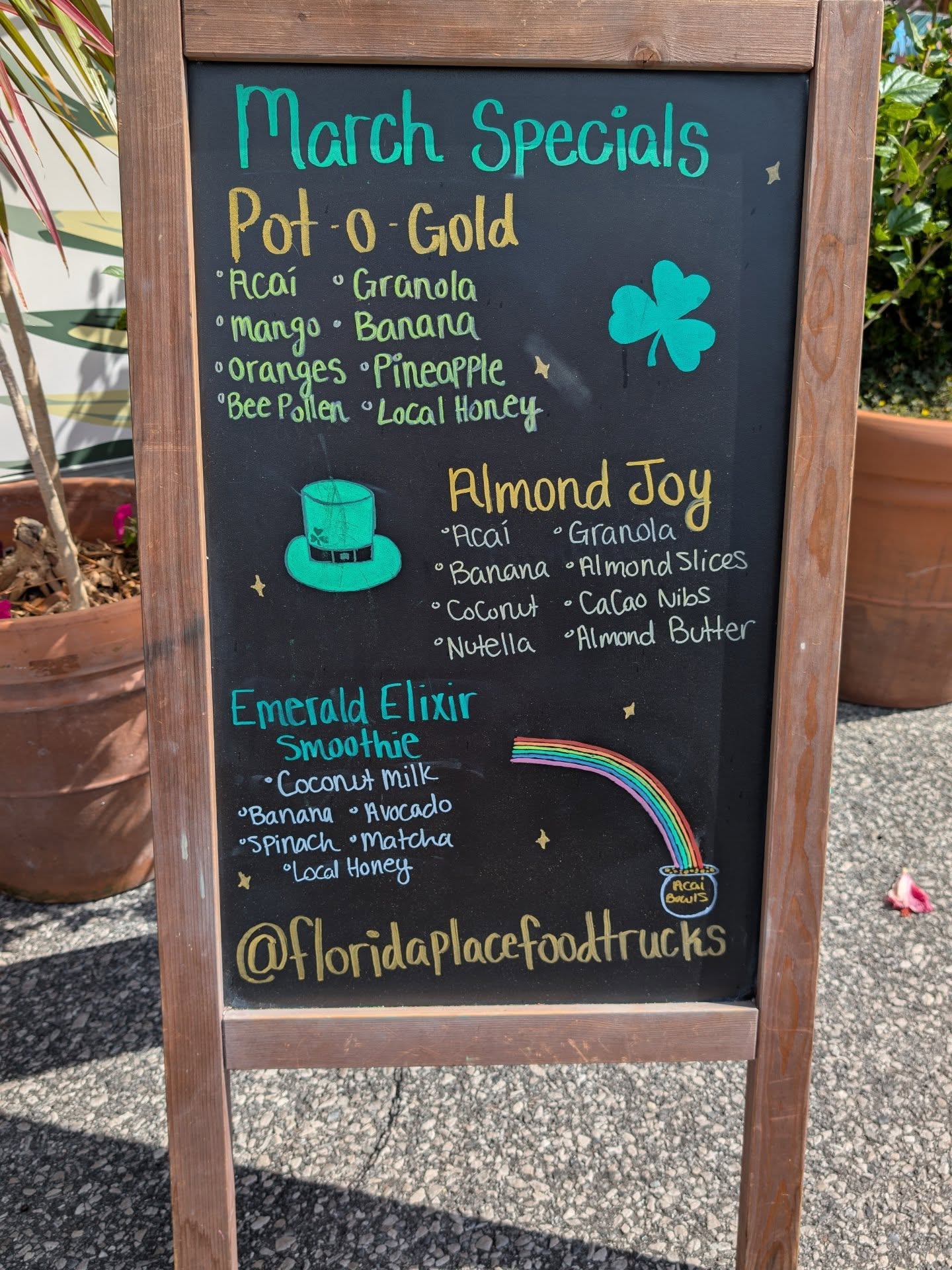
3. Seasonal LTO strategy without torching your prep crew
Limited time offers only print money when they are limited in scope, not limited in sanity. The winning rhythm is one rotating star, one micro tweak, and a clear end date your team can predict. The star might be a new protein treatment or sauce. The micro tweak is something you already prep (pickled veg swap, different slaw, seasonal fruit in a drink).
Before you announce the special, map the blast radius. How many new SKUs, how many new tools, who trains whom, what happens when you 86 it on hour two of service. If the answer is “we need a miracle,” the LTO is too big. Shrink it until the special is mostly recombination.
- Run specials on days you already staff heavy so training happens when the bench is deep.
- Cap the first week with a posted number if you need to protect workflow. Scarcity can be honest.
- Retire on a high note. If week three sales dip, that is data, not failure.
Your crew should be able to describe the LTO in one breath. If they need a cheat sheet taped in three places, customers feel the friction in the line.
Calendar your LTOs the same way you calendar oil changes. A light spring pivot, a summer heat menu, a tailgate friendly fall bite, and one winter comfort plate gives you a story to tell on social without improvising chaos every Monday. Customers start expecting the rhythm, which is free marketing.
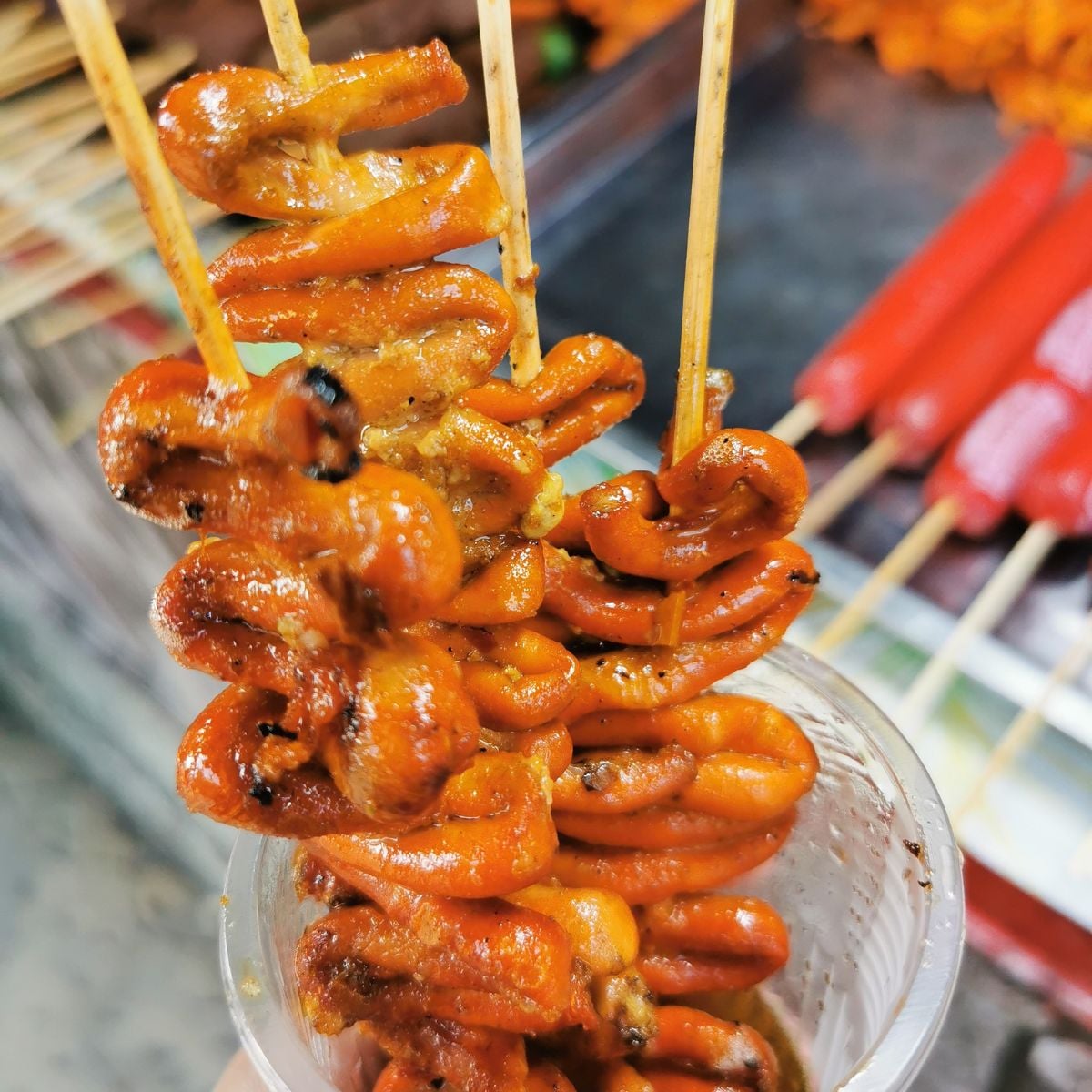
4. The cuisines driving discovery and shares in 2026
West African notes, Filipino comfort plates, and regional Mexican styles beyond the usual Tex Mex shorthand are showing up because they photograph clearly and feel specific. Specificity is shareable. “African bowl” is vague. Jollof or suya inspired strip with one sentence of context is a reason to stop scrolling.
You do not need to be born into a cuisine to cook it well, but you do need respect, sourcing, and usually a consultant or friend who will tell you when you are about to fumble a story. The trucks that do this right lead with one flagship item, cite inspiration without treating people like a museum exhibit, and hire or partner when the menu grows past their lane.
Fun fact
Search interest for hyper specific dishes often spikes harder than broad category terms. One killer adobo riff or birria adjacency done with your own signature can outrank trying to own “street tacos” in a crowded city.
Treat discovery items like a bridge. Give first timers a flavor memory that is loud and forgiving on heat, then invite them back with a deeper cut next visit.
Pair discovery dishes with a default drink or side you already crush. Familiar anchor, adventurous center, easy finish. That combo lowers decision fatigue for someone who is curious but not trying to gamble their whole lunch on an unknown word. Over time you can tighten the story as the audience learns your vocabulary.
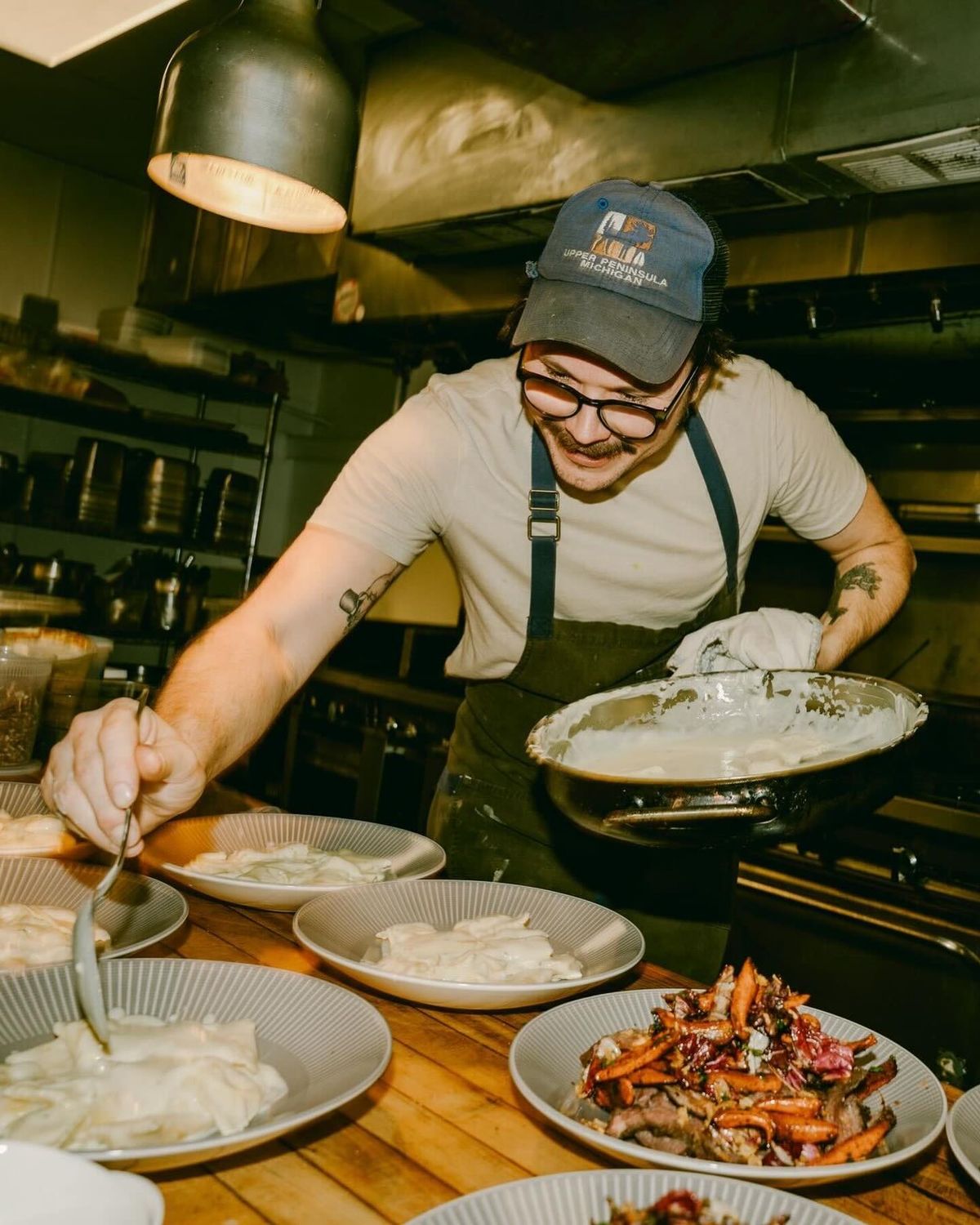
5. How to test a trend item before it owns your permanent board
Treat every trend like a hypothesis. State what you think will happen: attach rate, average check, new versus repeat customers, time to plate. Pick one primary metric so you are not arguing with yourself at close. Run the special for a defined window with a defined batch size. If it sells out early, good problem. If it lingers, you learned before you bought a month of odd inventory.
Promote where you can fulfill. A TikTok spike on a truck that only had thirty portions is how you turn buzz into one star reviews. If you run direct ordering, put the test item behind a clear “limited” tag in the flow so people self select before they stand in line.
Three service cycles with stable execution beats one viral night that your kitchen cannot repeat. Consistency is the trend that never goes out of style.
Log notes you will actually read. A single line in your close checklist (“sold 41, 86 at 7:10, mushy slaw”) matters more than a vague memory next month when you debate bringing it back. Photos of the line and the final box at hour one versus hour three help you see if the dish degrades in real service, not in a perfect test bite.
6. What high-margin trending items have in common
Hits usually share a margin shape even when the cuisine changes. There is a perceived premium story you can say in five words. The plate uses one anchor protein or starch you buy in bulk. The “wow” comes from technique or sauce, not a basket of micro greens nobody notices in a to go box.
Reverse engineer that for your concept. List your top ten sellers by profit dollars, not just popularity. Mark what repeats: prep ahead, holds well, low remorse on leftovers for the customer, easy modular upsells like an extra egg, premium drizzle, or heat level. Your next trend test should aim to plug into that same shape.
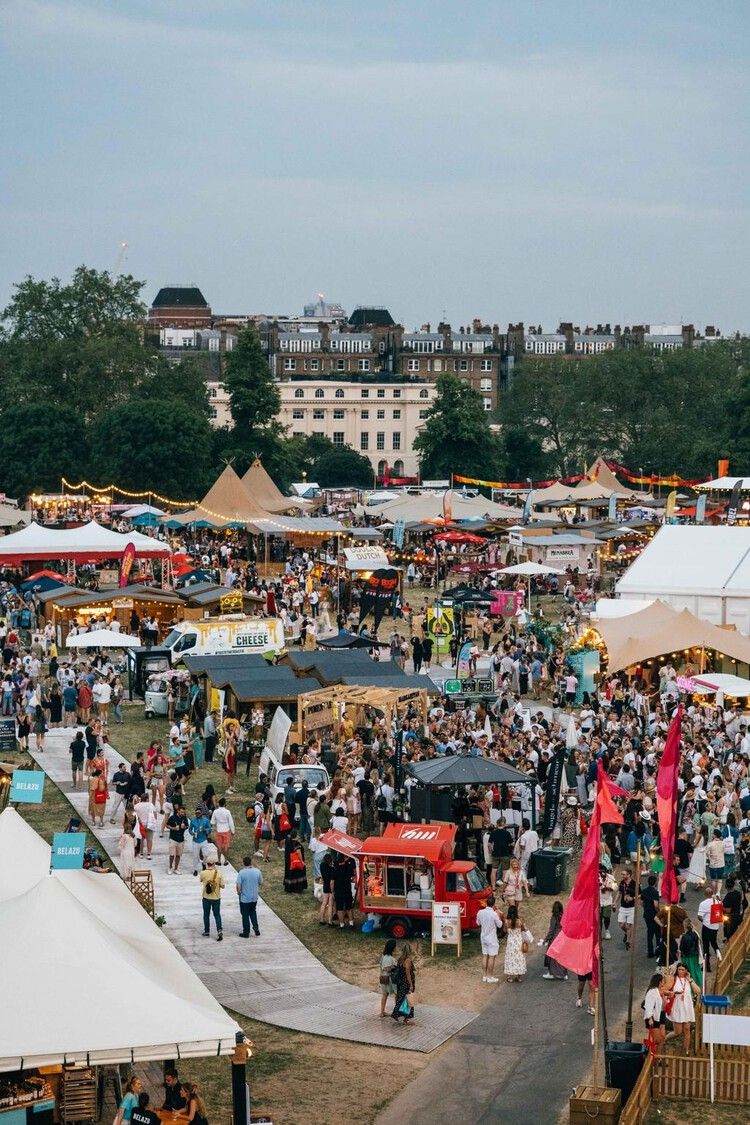
Trend items that need tweezers die at festivals. Build the festival version first, then refine for slower services.
That is where a bold special can pull margin without risking your core that pays rent.
If everyone in town runs the same viral sandwich, your advantage is speed, portion honesty, and owning the direct relationship with the customer who reorders.
When you debrief a hit, separate theater from economics. Sometimes a lower margin hero belongs on the board because it pulls drinks, sides, or catering inquiries. Sometimes it is a loss leader and you need to know that on purpose, not by surprise when you finally cost it after a busy month.
7. Naming and menu copy that makes a trend feel native
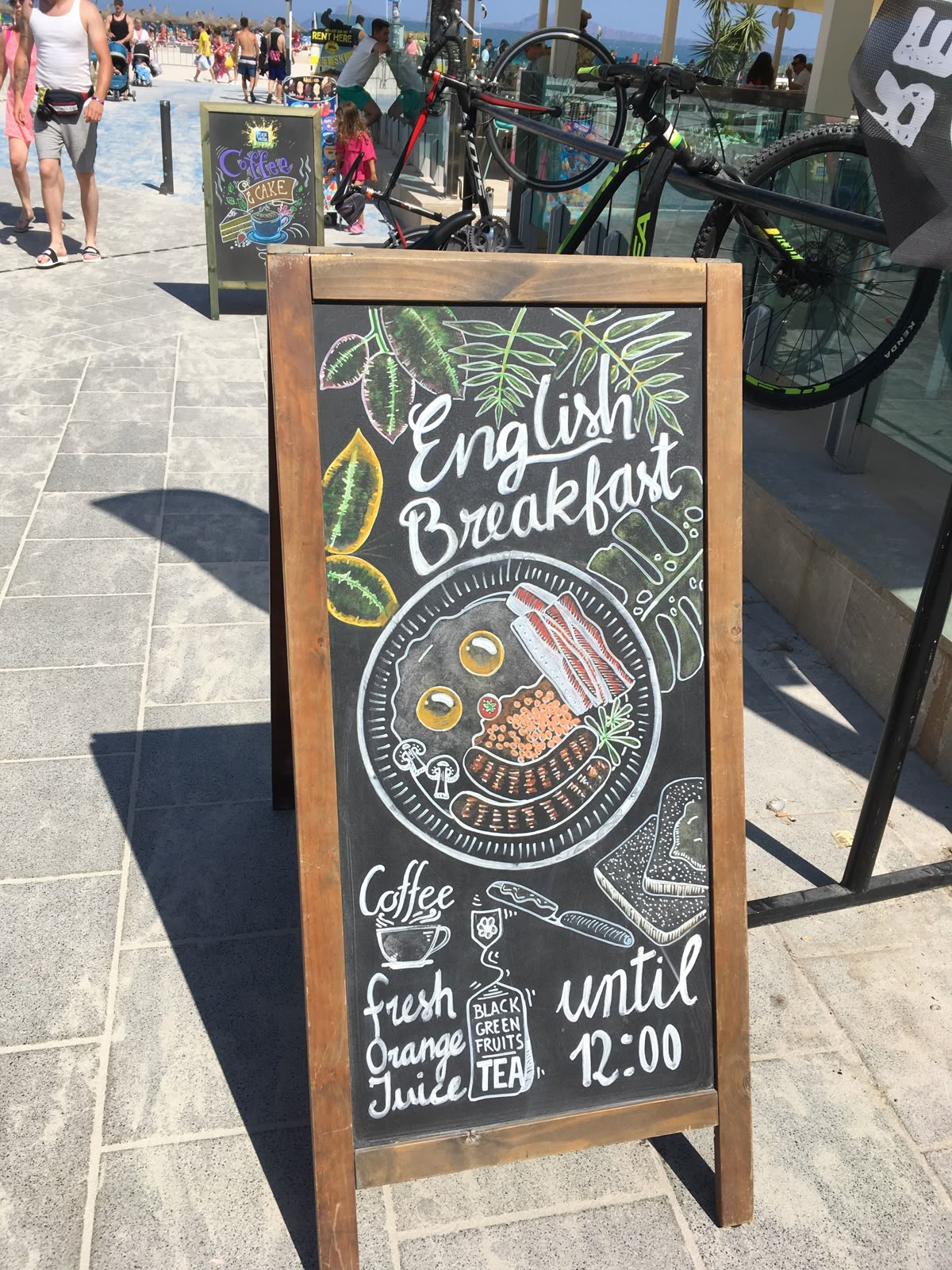
When a trend feels bolted on, the language is usually the tell. Generic superlatives, random all caps, or words your crew never says out loud. Native copy matches your voice, your actual portion, your real cook time, and the promise people already trust from your truck.
Try the window test. If someone asks “what’s that,” can your expediter answer in eight words without sounding like they are reading press copy. If not, simplify the name or split the story into a short label plus one optional line on your digital menu where people can expand.
- Lead with the eat, not the trend name, if the trend is unfamiliar.
- Pair unfamiliar words with familiar anchors: “like birria heat” or “think Nashville crunch.”
- Keep modifiers honest. Over promising crisp when the commute is twenty minutes will cost you more than a boring adjective.
Consistent voice matters for SEO and for walk ups. The way you describe today’s special should sound like the same person who wrote your staples, even if the dish is wild.
Refresh your top five menu lines once a quarter. Search behavior shifts, and the phrases people type into maps or voice search can be surprisingly literal. If “spicy chicken sandwich” is what they look for, work those words into a line that still feels like you, so discovery and brand stay in the same sentence.
8. Use loyalty data to see if the trend has legs
Launch buzz lies. Repeat behavior tells the truth. When you own ordering, you can see whether the same guest orders the trend item again on their next visit, whether it pulls add ons, and whether people who try it come back within your normal return window.
Compare the new item’s repeat rate to a reliable core plate. If the first week is huge and week three falls off a cliff, you probably fed curiosity, not habit. Habits show up as gentle curves, not fireworks. Also watch whether the trend steals covers from your stars without lifting total check. That is a sign you need to bundle or reposition, not that the item failed.
Tie marketing spend to proof. If you are boosting a special, keep the test clean so you know whether the trend sold or the ad sold. Owned channels, SMS, and email to people who already converted are cheaper labs than guessing with cold traffic.
Look for cohorts, not heroes. A trend that only works for deal hunters behaves differently than one that sticky regulars adopt. You want at least some loyal accounts to adopt the item without a coupon, because that is what a staple looks like when the hype cools.
Own the order. See the repeat. Stop guessing which specials actually print.
Start FreeNo monthly fees. One dollar per order. Cancel anytime.