
TL;DR
Food waste is money you already spent. The old way: guess demand, over-prep, toss leftovers, lose money. The new way: take pre-orders and run Menu Drops so you prep what's already sold. Outbites gives you exact order volume before service: if 120 tacos are ordered ahead, you prep 120 tacos. No guesswork. End of shift toss, spoilage, and strike-down waste drop when you batch to real demand instead of hoping. Industry estimates put waste at 4% to 10% of food purchases; for a truck doing $50K in food sales, that's $2,000 to $5,000 in the trash every year. Cut it by seeing demand before you prep.
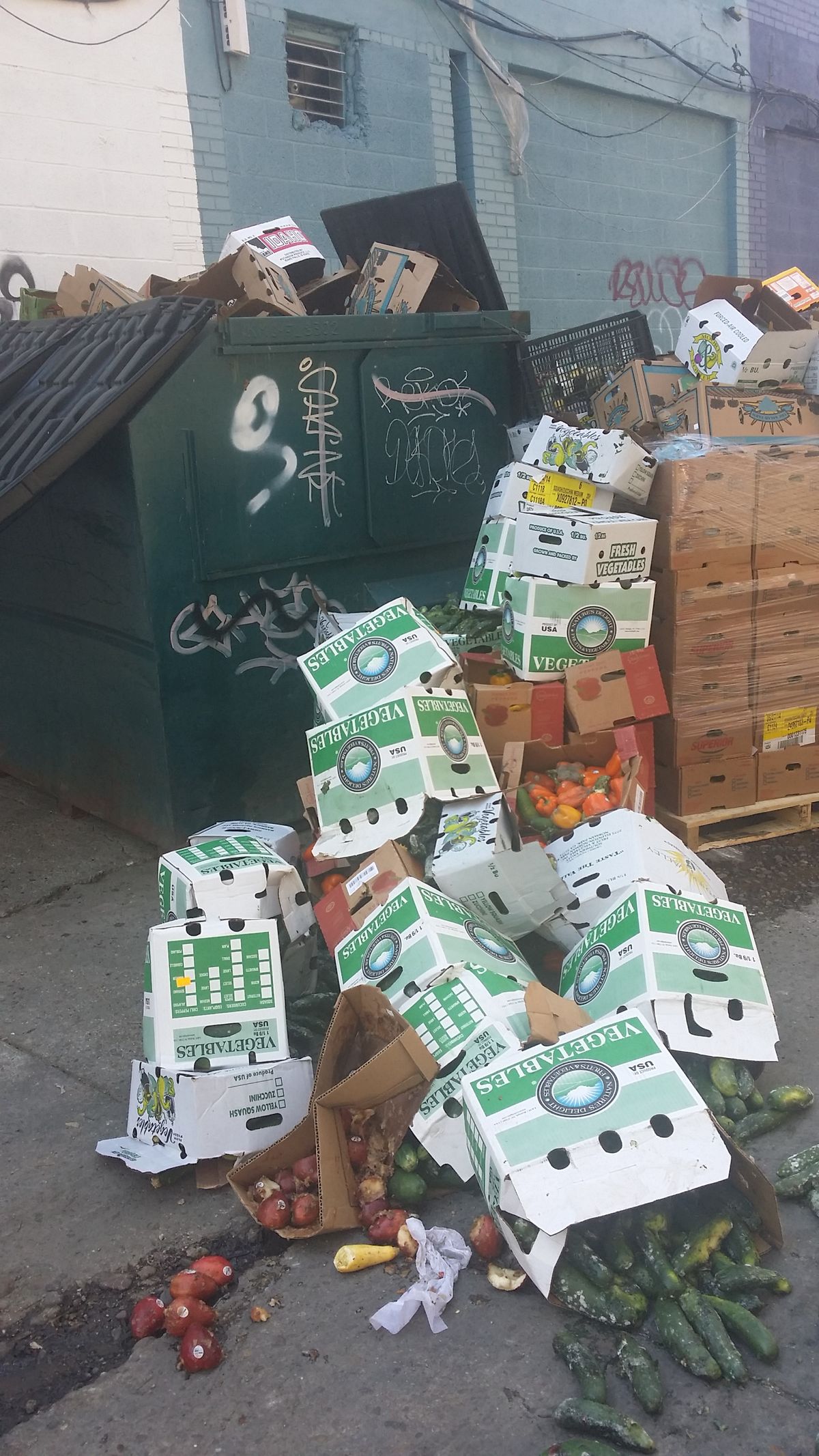
Because Tossing Prepped Food at the End of a Shift Is Not a Vibe
You prepped for a rush that never came. Or you prepped too much. Now it's 10 PM and you're throwing away trays of rice, brisket, and sauce that you bought, hauled, and cooked. That's not a vibe. It's lost profit.
The fix starts with data. Track what you typically sell in your last 90 minutes. Most trucks have a predictable drop-off. Once you know yours, prep accordingly. Batch prep in smaller amounts so you're not committing to 20 pounds of protein when you usually move 8 in the evening. Use a first-in-first-out rotation so older prep goes out first. Or when you take pre-orders through something like Outbites, you already know what's coming in that last window. No guesswork. Consider a simple waste log too: what did you toss, how much did it cost, and why? After two weeks, patterns emerge.
Fun fact
Roughly 4% to 10% of food purchased by restaurants ends up in the trash before it ever reaches a customer. For a food truck, the number can be higher because you're prepping in a small space with limited storage and no walk-in to extend shelf life.
Your Generator's Running. Your Food Shouldn't Be Disappearing Too.
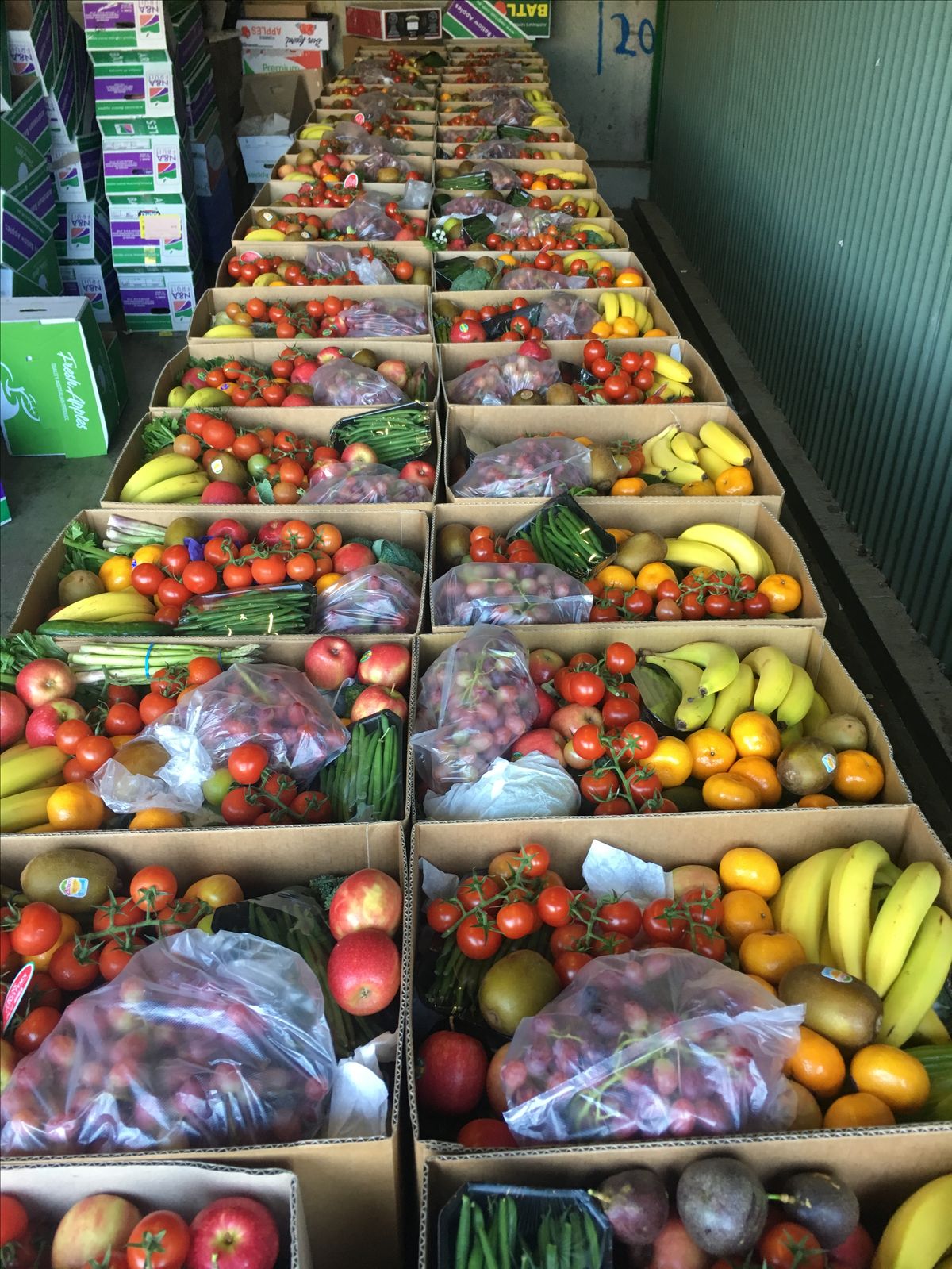
You're parked, the generator is humming, and the line is moving. But in the background, stuff is going bad. Perishables left too long in the danger zone. Prep that sat out. Condiments that broke down in the heat. Every item that spoils while you're operating is money evaporating.
Temperature control matters. Keep cold stuff cold and hot stuff hot. Rotate stock so older items get used first. If something is about to turn, move it: offer a special, a staff meal, or a last-call discount before it becomes trash. Some operators use a "use first" bin for items approaching their window. The goal is to sell it, not toss it.
What Happens at the End of a Slow Event Shouldn't Stay at the End of a Slow Event
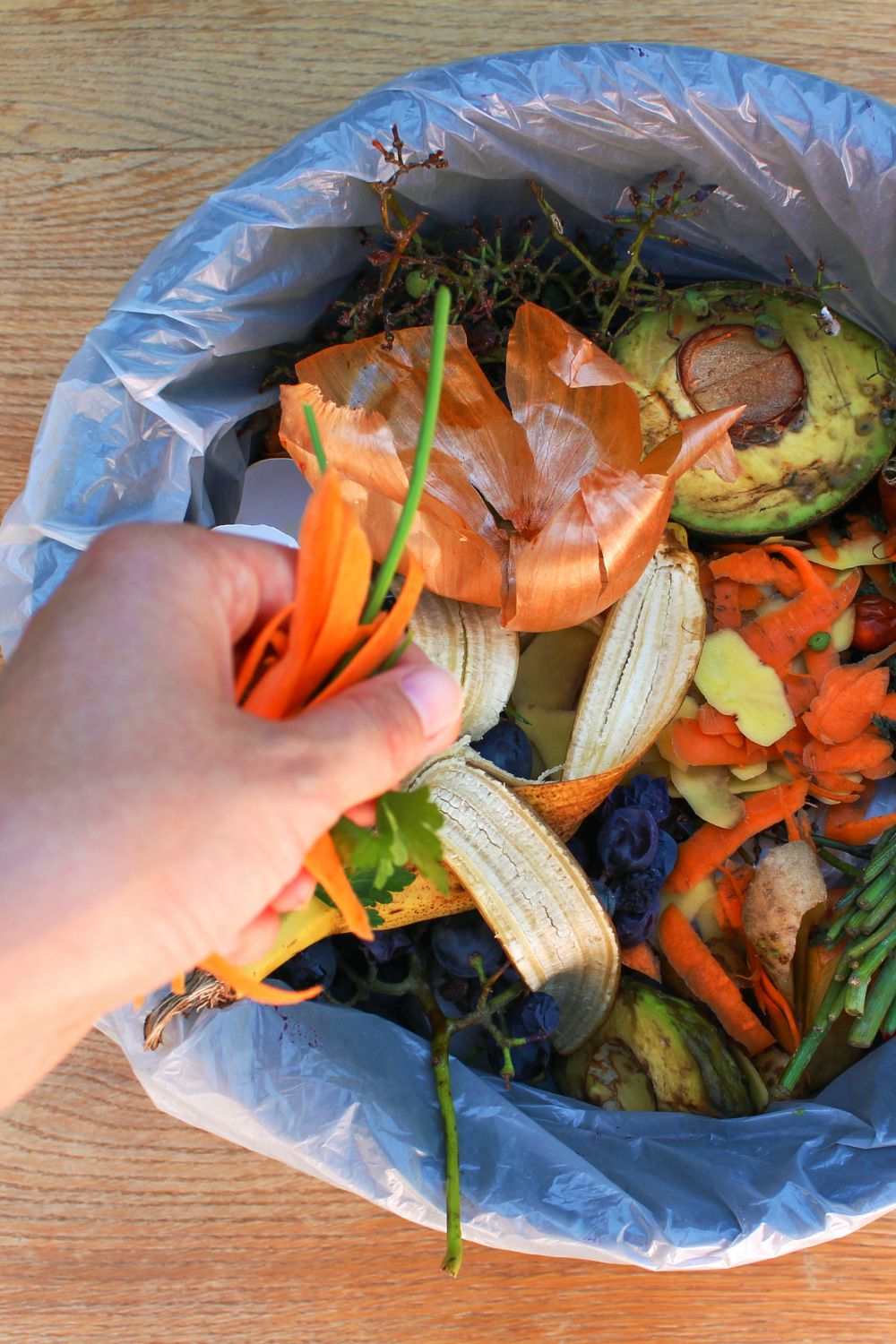
You prepped for 150. Fifty showed up. Now you're staring at 100 portions worth of food with nowhere to go. What happens at strike-down shouldn't stay there. It should become data.
Log it. Event name, confirmed head count, what you prepped, what you sold, what you tossed. Next time you book a similar event, you'll have a reference. Did they consistently show 60% of RSVP? Prep for that. Or skip the guesswork entirely: when you take pre-orders before the event, the demand is locked in before you fire up the grill. If 80 people order ahead through Outbites, you prep for 80. Not 150. Some operators also donate safe leftovers to shelters or offer staff meals. The main thing: turn every over-prep into a lesson, or eliminate the guess by taking orders upfront.
Typical Catering Over-Prep
Prepped Too Much for a Slow Saturday? Never Again.
Slow days happen. The forecast said sun; it rained. The festival was undersold. Your usual lunch spot had no foot traffic. The problem isn't the slow day. It's prepping like every day will be a blowout.
Build a prep plan that scales. Use historical data: what did you sell on similar days last month, last quarter? If Saturday lunch at the breweries usually does 80 covers, prep for 90, not 150. Leave yourself a small buffer for walk-ups, but don't bet the farm. And if you're trying a new location, prep light. Test the demand before you commit to full batches.
Online ordering and pre-orders flip the script. When customers order ahead, you know exactly what to prep. No guesswork. No over-prep. Outbites shows you live order flow so you can see what's coming in real time and batch accordingly. If 45 burgers and 30 tacos are ordered before you even open, you prep 45 burgers and 30 tacos. That's it. Less waste, more margin.
How Menu Drops Let You Pre-Sell and Prep Exactly
Menu Drops are a way to announce you're selling and take orders before you show up. You post a menu, set a cutoff time, and customers order ahead. By the time you're prepping, you already have a count. If 120 tacos are ordered, prep 120 tacos. Add a small buffer for walk-ups if you want, but you're no longer guessing. You're prepping what's already sold. It's the difference between "hope we sell this" and "we sold this, now we make it." Outbites runs Menu Drops so you can see your order volume before service and batch to real demand. Simple math. Less trash.

Food Trucks Run Lean. Your Waste Should Too.
You don't have the luxury of a giant walk-in. You don't have infinite prep space. You run lean because you have to. So your waste should run lean too. Every pound you don't toss is a pound you didn't have to buy, haul, or prep.
Adopt a waste-first mindset. Before you prep, ask: can we sell this today? If not, prep less. Before you order, ask: do we have a plan for every case? If not, order less. Before you close, ask: what are we tossing and why? If the answer is "we over-prepped," fix the system. Tools like Outbites take the guesswork out: when orders come in ahead of time, you're not running lean by luck. You're running lean by design. Lean operations mean less inventory, less waste, and more control over your margins.
Every Tray You Toss at Strike-Down Is Money You Already Spent
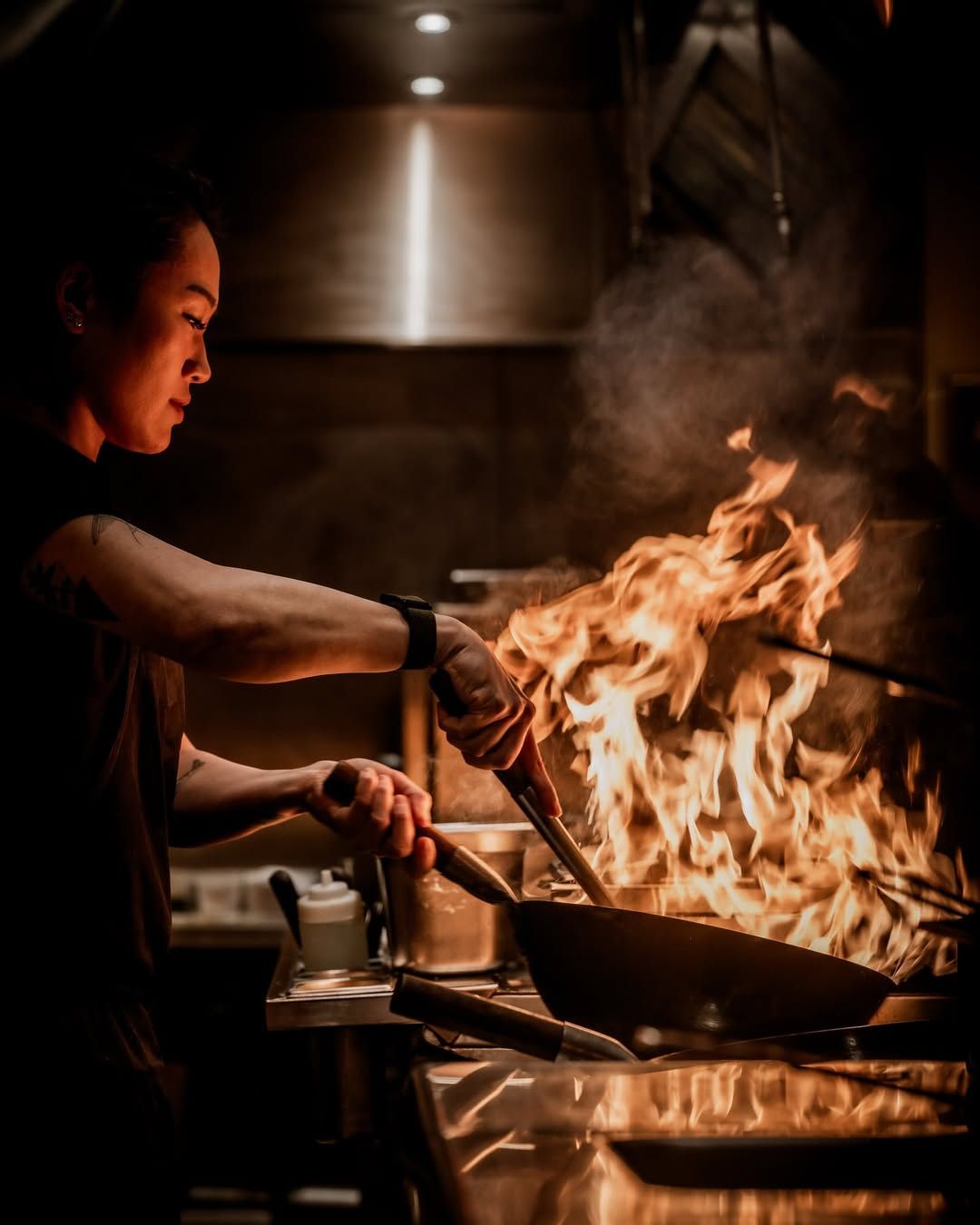
Strike-down is where the truth shows up. All those trays. All that prep. Some of it sold. A lot of it didn't. Every tray you throw away at the end of the night is ingredients you bought, labor you paid for, and fuel you used to haul it. It's money you already spent. You just chose the trash can as the recipient.
Make it visible. Weigh or estimate what you're tossing. Write it down. Assign a cost. A simple weekly waste total will shock you. Once you see the number, you'll start making different decisions. Or avoid the problem before it starts: when you take pre-orders, you're prepping what's already sold. Fewer trays at strike-down, less to toss. The trays at strike-down are the scoreboard. Lower that number, and your margins go up.
You Hauled It, Prepped It, and Then Threw It Away. Let's Fix That.
The journey is long: you ordered it, picked it up, hauled it to the truck, stored it, prepped it, held it, and then threw it away. Every step cost you something. Fixing waste means attacking every step.
- Ordering: Only buy what you have a plan for. No "just in case" cases.
- Storage: FIFO. First in, first out. Label everything with dates.
- Prep: Batch small. Prep closer to service. Or use pre-orders: if 120 tacos are ordered ahead through Outbites, prep 120 tacos. Sales data or real orders, both beat guessing.
- Holding: Keep temps right. Don't hold beyond safe windows.
- Selling: Specials, discounts, staff meals before the trash.
When you treat waste as a system problem, not a single failure, you get better. Track it. Fix it. Or flip it: prep what's already sold so there's less to fix in the first place.
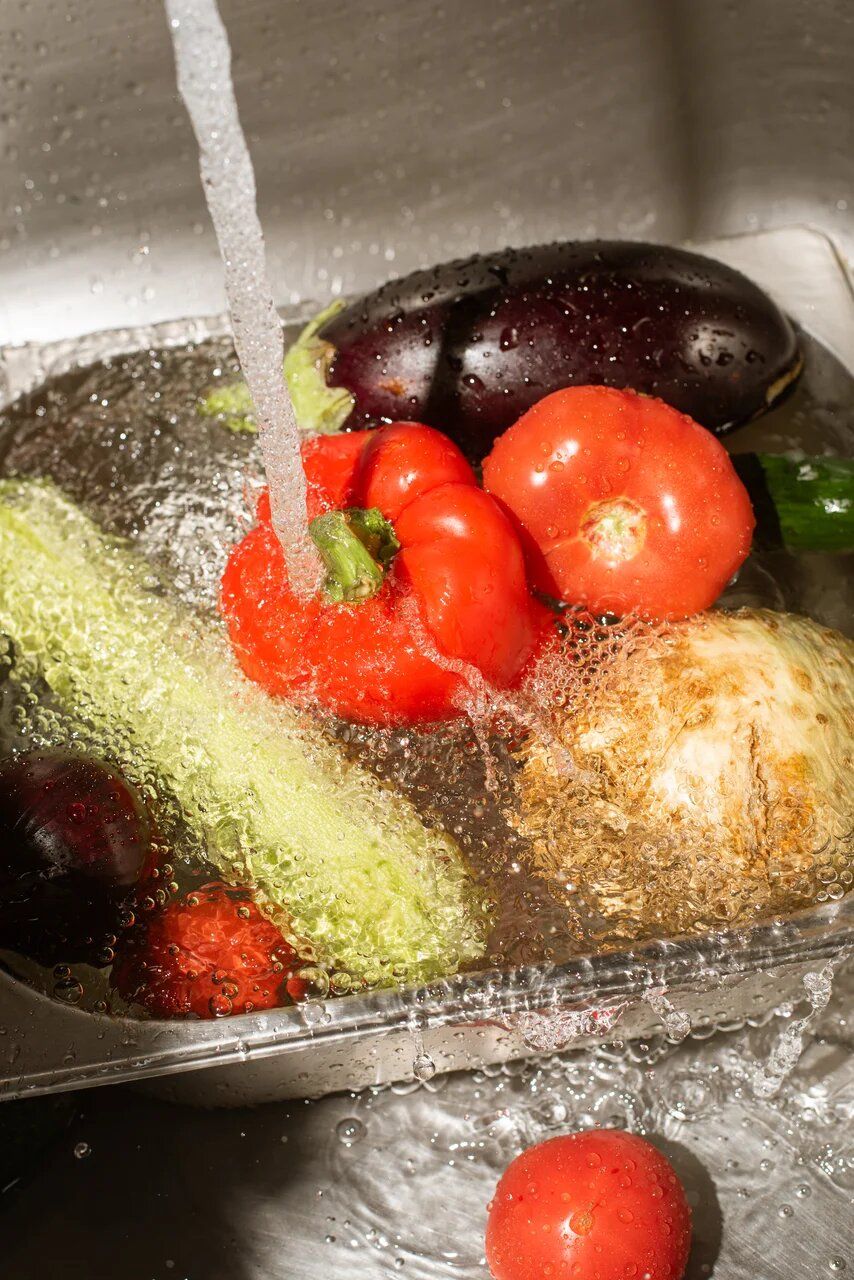
The Margins Are Thin Enough. Stop Leaving Money in the Trash Can.
Food truck margins are already tight. Rent, fuel, labor, permits, insurance, equipment. You don't have room to throw away 5% of your food cost every week. That's hundreds or thousands of dollars a year walking out in a trash bag.
Cut waste. Track it. Prep smarter. Learn from slow events. Run lean. Or skip the guessing: pre-orders and Menu Drops let you see demand before you prep. Outbites gives you exact order volume so you batch to what's already sold. That's why operators use it. Less toss, more margin. The money you save stays in your pocket instead of the landfill. Your future self will thank you.
See demand before you prep. Pre-orders and Menu Drops on Outbites.
Start Free$1 per order. No monthly fees. Cancel anytime.