TL;DR
Loyalty is not just for big chains now. 73% of diners expect rewards, members tend to spend more per visit, and retention costs far less than acquisition. Start with a punch-card style reward, make sign-up one step (phone number), and automate two reminders: progress and win-back. The program should cover its cost quickly if the reward math is sane.
73% of customers say they are more likely to return to a restaurant that offers loyalty. That is almost three out of four diners telling you what pushes the next visit.
Most independent restaurant owners assume loyalty programs are reserved for Starbucks, Chipotle, and other chains with million-dollar tech budgets. That was true five years ago. It's not true anymore. Digital loyalty programs are now accessible, affordable, and surprisingly easy to set up for businesses of any size.
This post will show you exactly how to launch a loyalty program that drives repeat orders, avoids the most common mistakes, and pays for itself fast.
The Psychology Behind Loyalty Programs
Why Points and Rewards Create Emotional Attachment
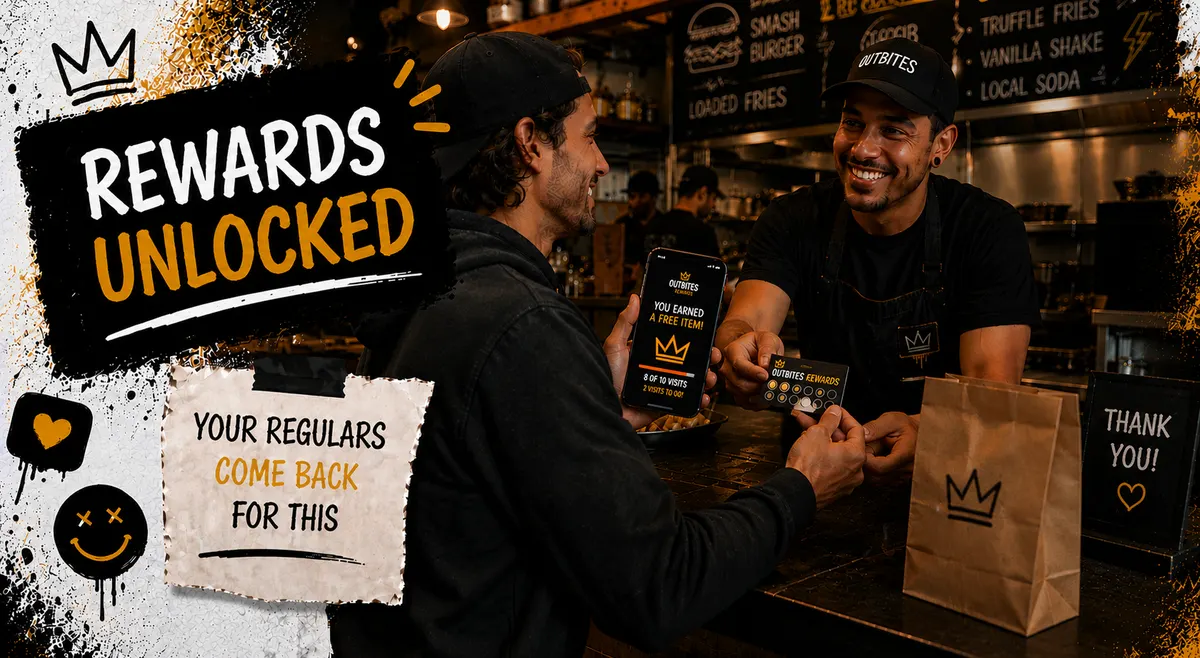
Loyalty programs tap into deep psychological triggers that keep customers coming back. The first is the endowed progress effect. People are significantly more motivated to complete a goal when they feel they've already started. A customer with 8 out of 10 punches on a card isn't just close to a free meal. They're psychologically committed to finishing.
Then there's loss aversion. Once customers have accumulated points, they don't want to lose them by going elsewhere. Those 47 points in your app feel like money in their pocket. Spending them somewhere else would feel like throwing cash away.
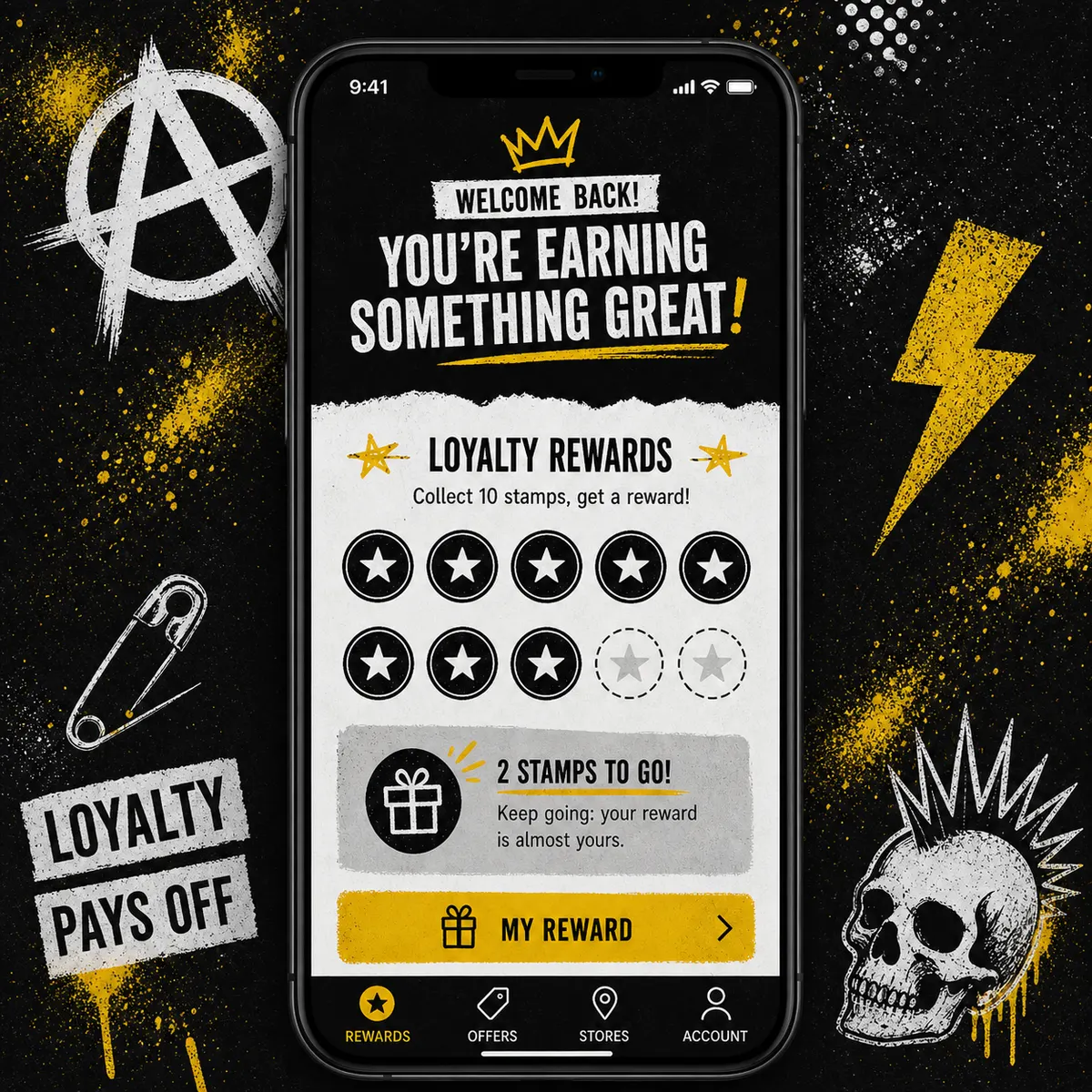
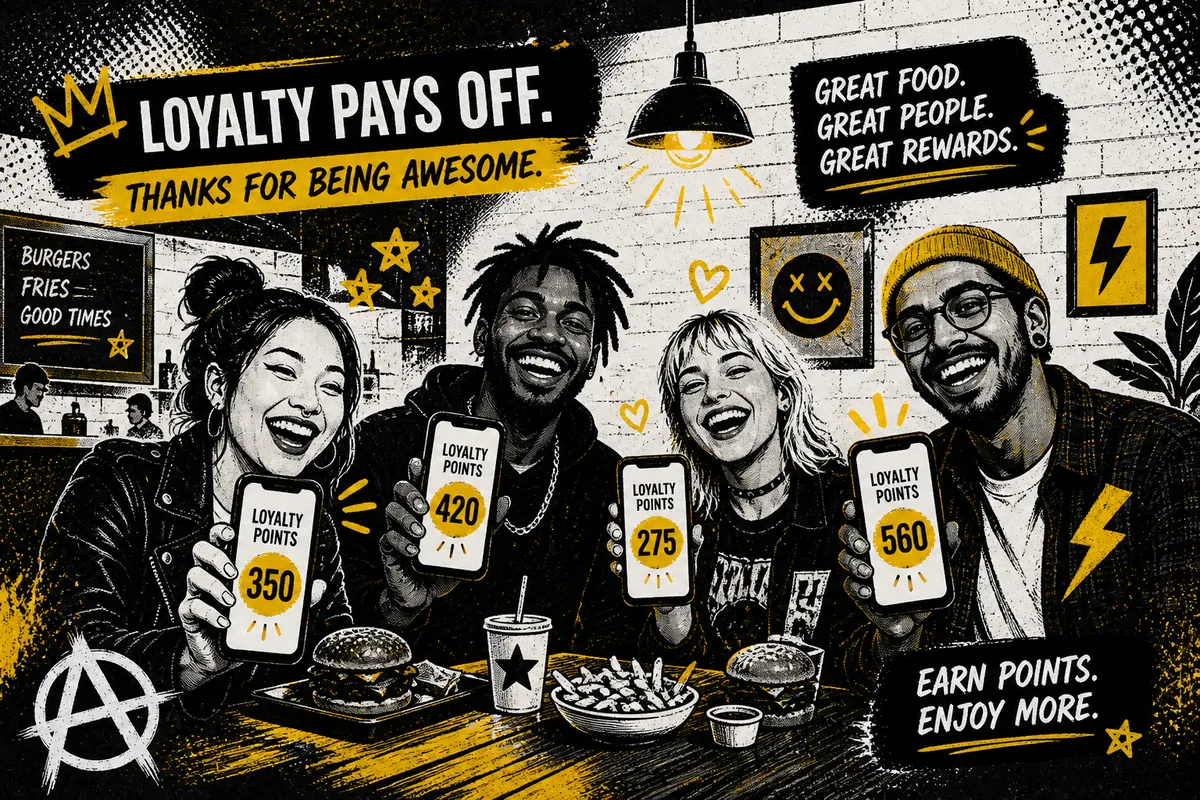
There's also a dopamine hit every time customers earn rewards. That little notification, that progress bar moving forward, that satisfying ding when they hit a milestone. It creates a positive feedback loop that keeps them engaged.
Finally, VIP tiers make customers feel special. Being a Gold member or a Top Customer isn't just about discounts. It's about status and recognition. People want to belong to something.
Case Study: The Local Pizzeria That Increased Repeat Orders by 40%
A family-owned pizzeria in the suburbs had a problem familiar to most independent restaurants. Great food, solid reviews, steady foot traffic. But too many one-time customers. People would order once, enjoy the pizza, and then never come back. Not because they didn't like it. Because nothing reminded them to return.
The owners implemented a simple points-based loyalty program. One point per dollar spent. 100 points earns $10 off. Sign up with your phone number, no app download required.

Within 90 days, repeat orders increased by 40%. Average order value climbed by $4.50 as customers added extra items to hit point thresholds faster. The program also captured customer data for targeted marketing: birthdays, order preferences, visit frequency.
“Customers in loyalty programs spend 12-18% more per visit. That's not a marketing claim. That's what the data shows consistently across restaurants of all sizes.”
— National Restaurant Association, 2025 Industry Report
The Math on Customer Retention
Why Keeping Customers Costs 5-7x Less Than Finding New Ones
Acquiring a new customer is expensive. Social media ads to reach someone who's never heard of you might cost $15-30 per acquisition. That's before they've even placed an order. And there's no guarantee they'll come back.
Retaining an existing customer costs a fraction of that. A loyalty reward to bring back someone who already knows and likes your food might cost $2-5. They already trust you. They already know what they want to order. The conversion rate is dramatically higher.
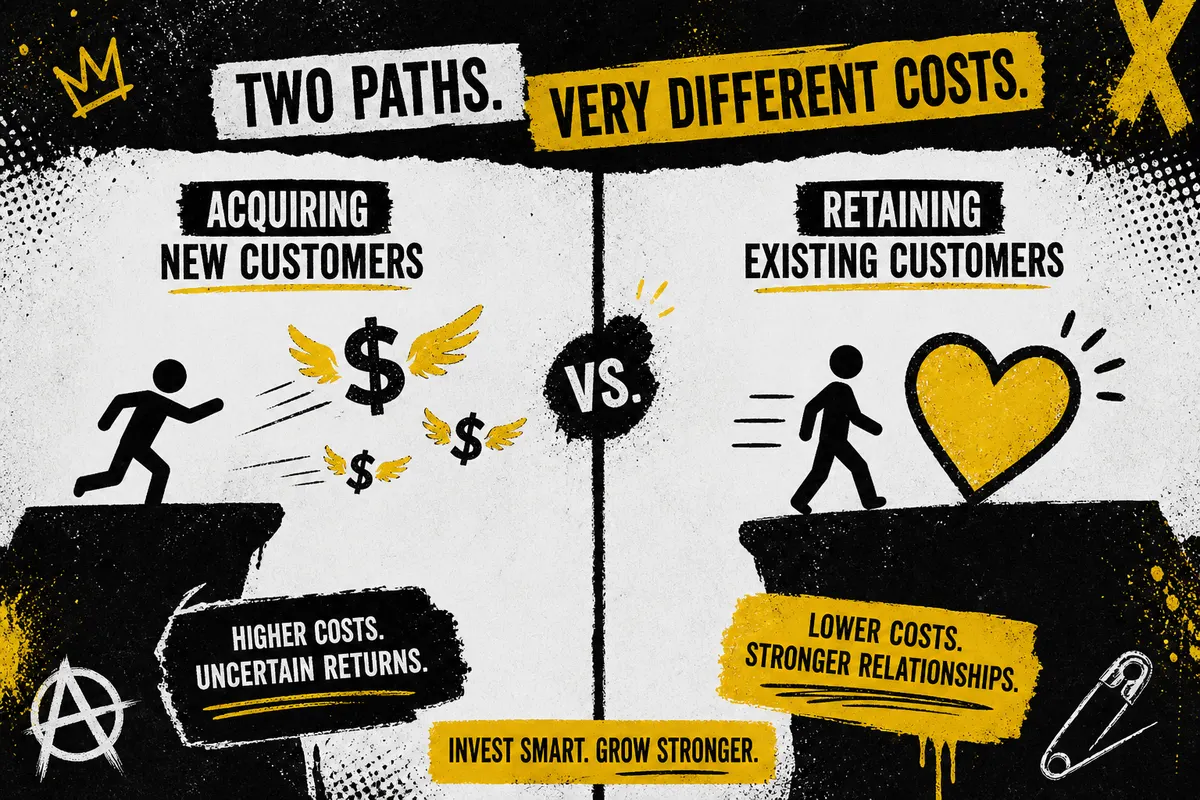
The lifetime value math is even more compelling. A customer who visits once and never returns is worth one transaction. A customer who visits monthly for two years is worth 24 transactions. Even a 5% increase in customer retention can boost profits by 25-95%, according to research from Bain & Company.
Step-by-Step Setup Guide
Setting Up Your First Loyalty Program Without Overwhelming Your Staff
Step 1: Choose Your Reward Structure
You have three main options. Points per dollar (1 point per $1 spent, redeem 100 points for $10 off). Punch card style (buy 10, get 1 free). Or tiered rewards (Bronze, Silver, Gold status with escalating benefits). For most restaurants starting out, punch card style is the easiest for both staff and customers to understand. Keep it simple. You can add complexity later.
Step 2: Set Achievable Thresholds
Customers should earn a reward within 5-7 visits. If it takes too long, they'll lose interest before they ever redeem anything. If it's too easy, you'll give away margin without building real loyalty. The sweet spot: a reward that feels attainable but requires genuine repeat behavior to earn.
Step 3: Make Sign-Up Frictionless
Digital sign-up via phone number is the gold standard. No apps to download. No accounts to create. Just enter your number and you're in. Offer an immediate bonus for joining, like 50 bonus points or a free side on the next visit. Train your staff on a 10-second pitch: 'Want to earn free food? Just enter your phone number here.'
Step 4: Promote It Everywhere
- Table tents and counter signs at every touchpoint
- Messaging on receipts: 'You earned 12 points today!'
- Social media announcement with sign-up incentive
- Website banner linking to program details
- QR codes on takeout bags and packaging
Step 5: Set Up Automated Reminders
The real power of a digital loyalty program is automation. Set up messages that run without any work from your team. 'You're 2 visits away from a free meal!' Birthday rewards that go out automatically. 'We miss you' messages after 30 days of inactivity. These automated touches keep your restaurant top of mind without adding to your staff's workload. SMS is the most effective channel for these triggers. Read our restaurant SMS marketing guide for templates and compliance rules.
Common Mistakes to Avoid
What Food Businesses Get Wrong About Loyalty Programs

Mistake 1: Making rewards too hard to earn. If customers can't see progress, they won't engage. Someone who's 2% of the way to a reward after their first visit will forget about the program entirely. Show them exactly where they stand after every transaction.
Mistake 2: Complicated redemption processes. If your staff has to do manual math or look up codes in a binder, the program won't get used. Automatic tracking and one-tap redemption are essential.
Mistake 3: Not promoting the program. 'If you build it, they will come' doesn't work. Mention your loyalty program at every transaction. Post about it monthly on social media. If customers don't know it exists, it can't drive repeat visits.
Mistake 4: Ignoring the data. Your loyalty program is a goldmine of customer insights. Who are your best customers? What do they order? When do they visit? Review this data monthly and use it to make smarter decisions.
Mistake 5: Set it and forget it. Programs need occasional refreshes to stay exciting. Add seasonal bonuses. Run double-point days. Surprise your top customers with unexpected rewards. A stale program stops driving behavior.
Loyalty programs aren't just for the big chains anymore. The technology is accessible. The setup is straightforward. And the math is compelling: customers who join spend more, visit more often, and cost far less to retain than new customers cost to acquire.
Your competitors who don't have a loyalty program are losing repeat customers to those who do. Start simple. Launch now. The program will pay for itself faster than you expect.

Katie Carswell
Account & Social Media Manager
Sharing firsthand stories and lessons learned from running an independent restaurant: margins, marketing, and owning your customer relationships.
How this guide was put together
This article was written for independent food businesses looking for practical ways to grow direct orders, repeat visits, and customer relationships. We keep the advice operator-focused, avoid generic playbooks, and update posts when the restaurant marketing landscape changes.