
Direct Ordering10 min read
Don't Get Stuck With the Check: Picking an Ordering Platform for Clients
Don't guess with their margin. Check volume, POS, customer data, and slow-month cost before you say a brand out loud.
Blog
Practical guides for independent restaurants, food trucks, and ghost kitchens on direct ordering, margin growth, and owning your customer relationships.
Featured Post
Don't guess with their margin. Check volume, POS, customer data, and slow-month cost before you say a brand out loud.
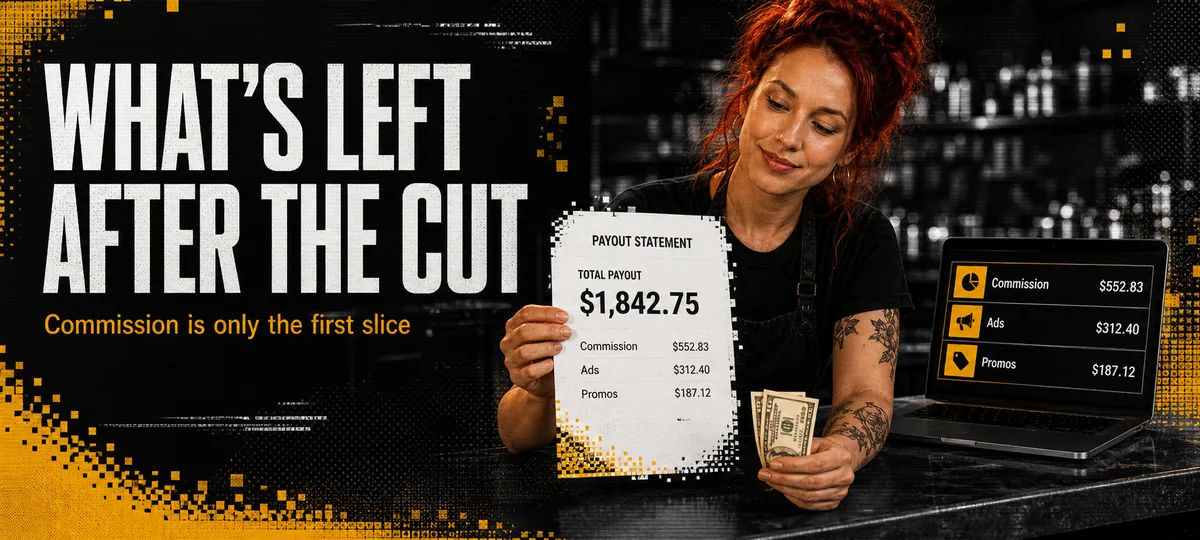
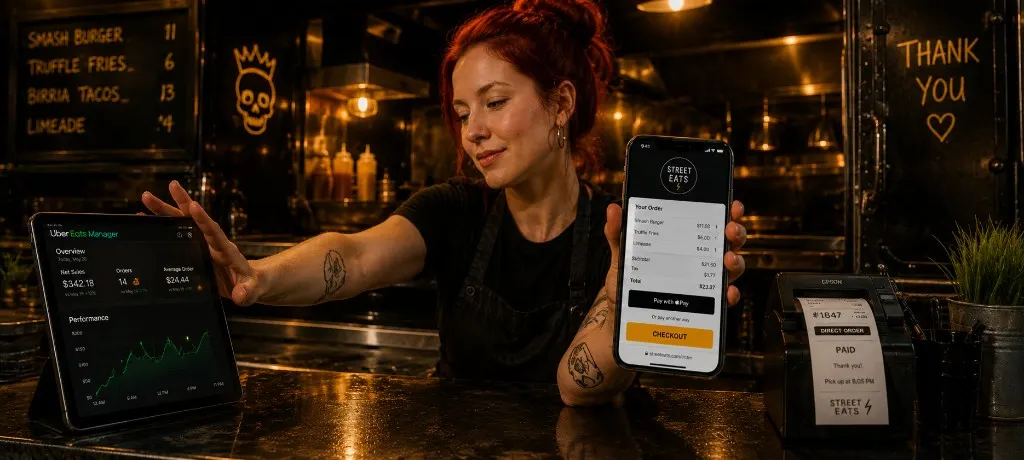
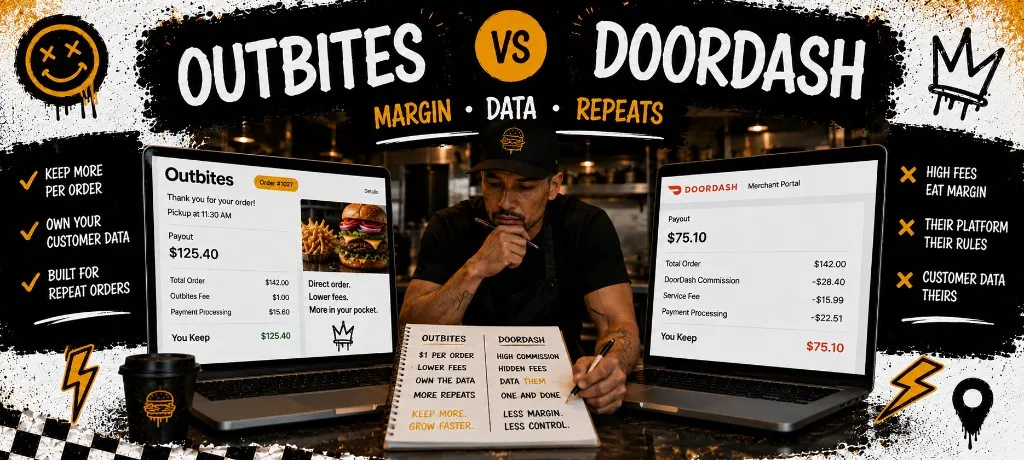
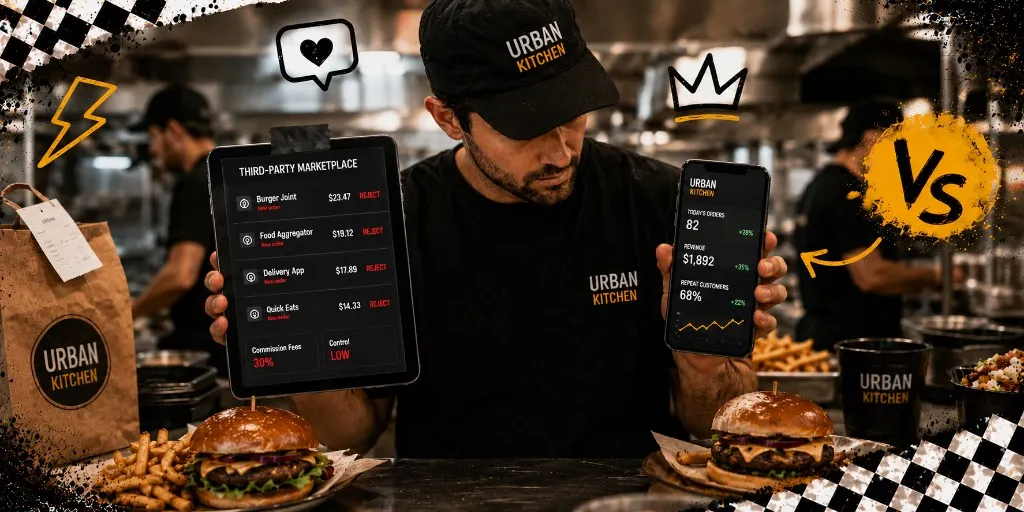
Don't guess what DoorDash or Uber Eats take. Look at last month's payout, add ads and deals you paid for, and decide what still earns a cut.
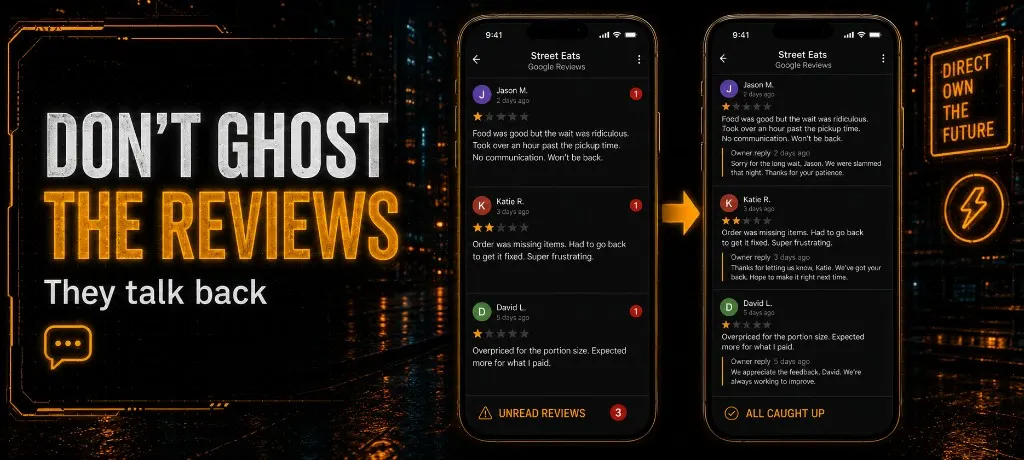
Don't leave Google reviews on read. Food trucks and independents win trust when they thank 5-stars fast, fix mixed feedback, and calm angry reviews without a public fight.
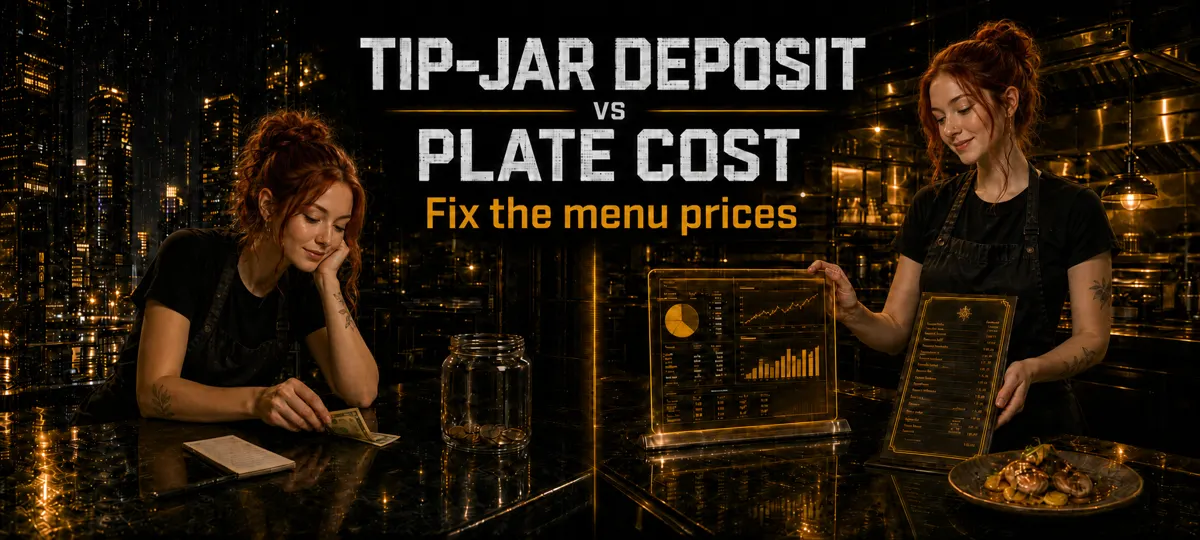
Menu pricing for food trucks and independents starts with plate cost and a target food-cost percent, not copying the truck two spots over. Use the calculator below when ingredients jump or you want a clean raise.
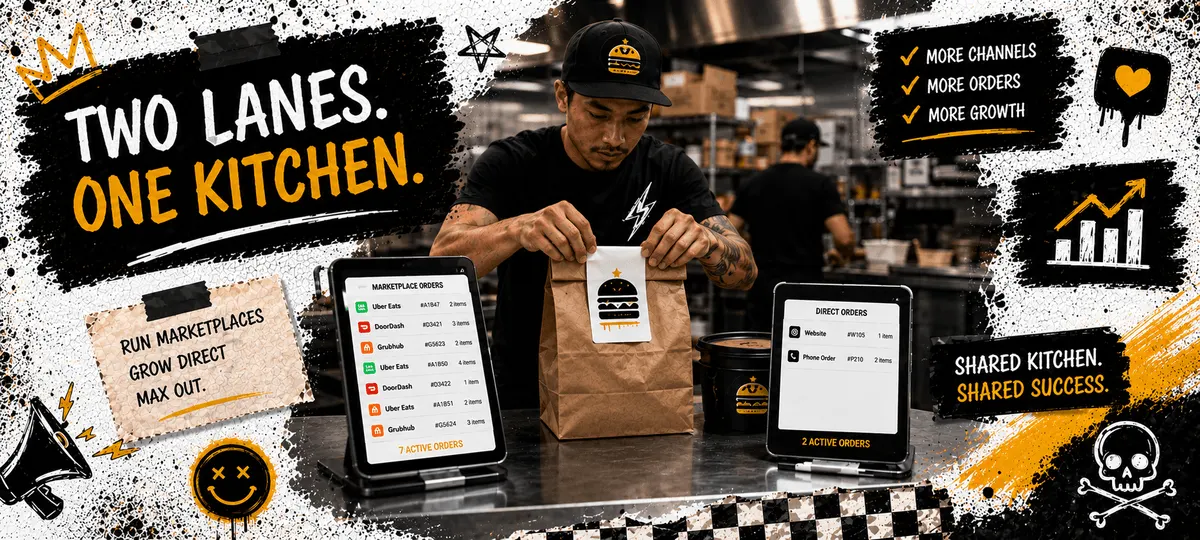
Going direct isn't a clean break. It's 90 days of two lanes, one staff script, labeled tickets, and margin that recovers before gross sales do. A week-by-week plan for food trucks, pop-ups, ghost kitchens, and independents.
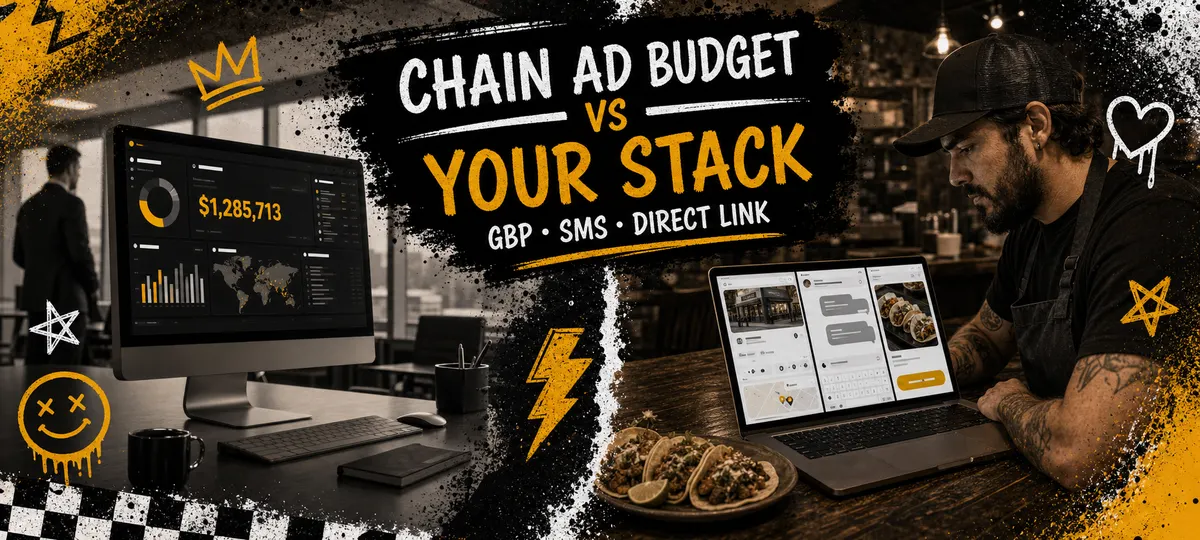
Chains buy reach with national ad budgets and app installs. Small restaurants win when local search, a direct ordering link, SMS, and loyalty turn regulars into repeat revenue you actually own.
Software doesn't fix a board with eighty tickets and one flat top. Order management is caps, lanes, and crew roles that match how your truck actually sells at peak.
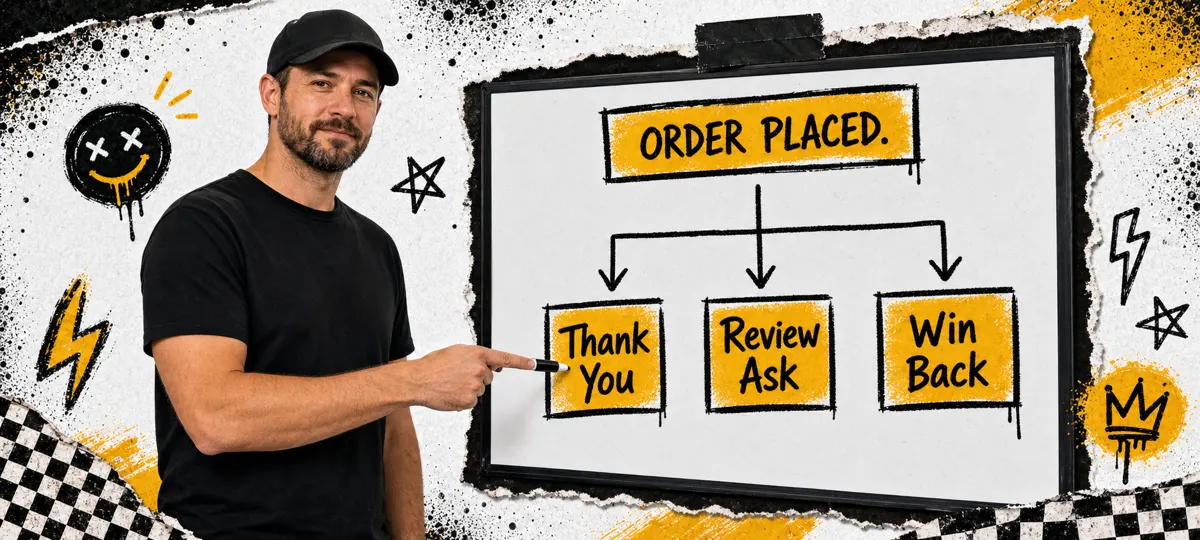
Automation isn't a corporate luxury. It's the post-order thank-you you'd forget at 10 PM and the win-back you'd never send if you had to do it by hand.
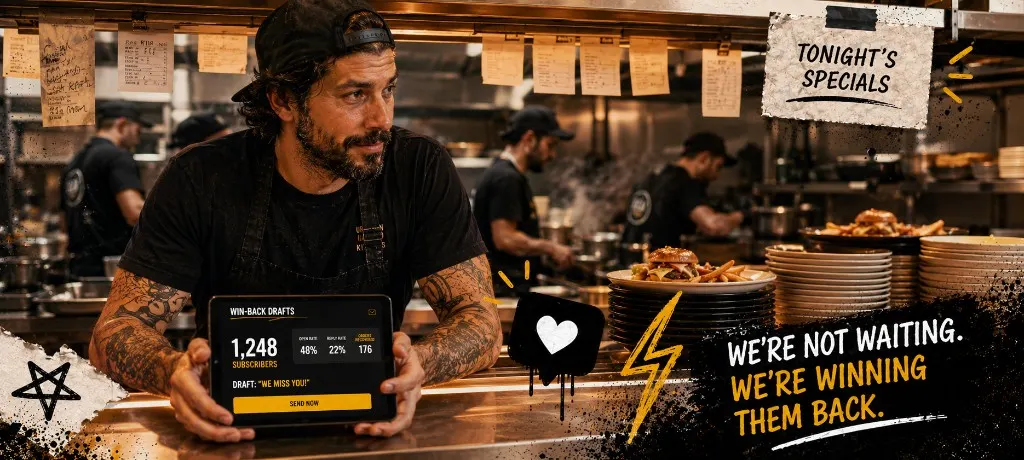
You don't need a corporate marketing team to run email that fills slow nights. You need checkout capture, a few campaign types, and a win-back that doesn't read like spam.
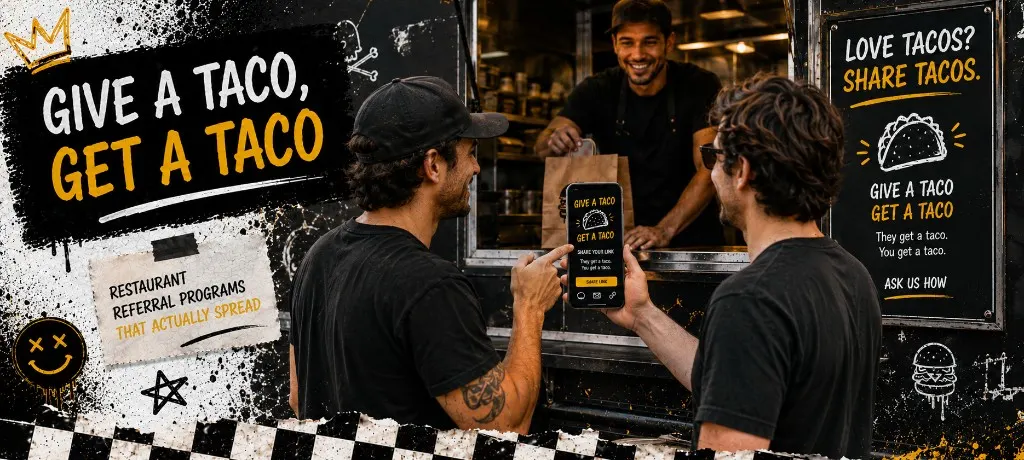
Referral programs fail when only one side gets paid and nobody can track the code. Give a taco, get a taco. Both sides win, you keep the guest on your direct link.
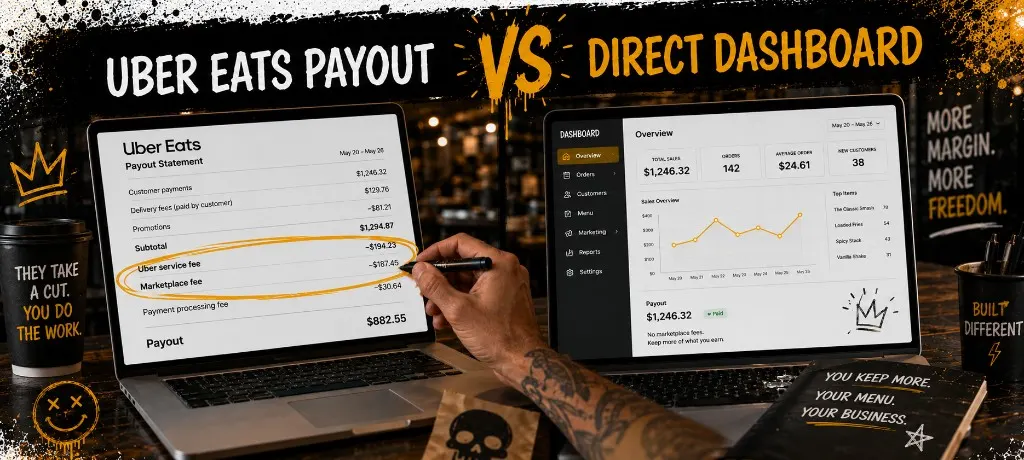
Uber Eats made sense when you needed delivery reach. It hurts when regulars keep ordering through the app and you're funding someone else's customer list. Here's how to migrate without a revenue cliff.
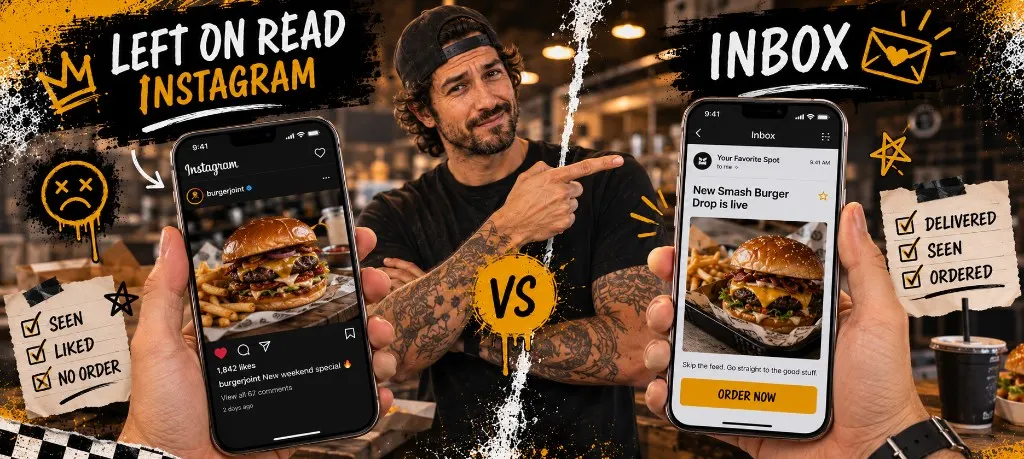
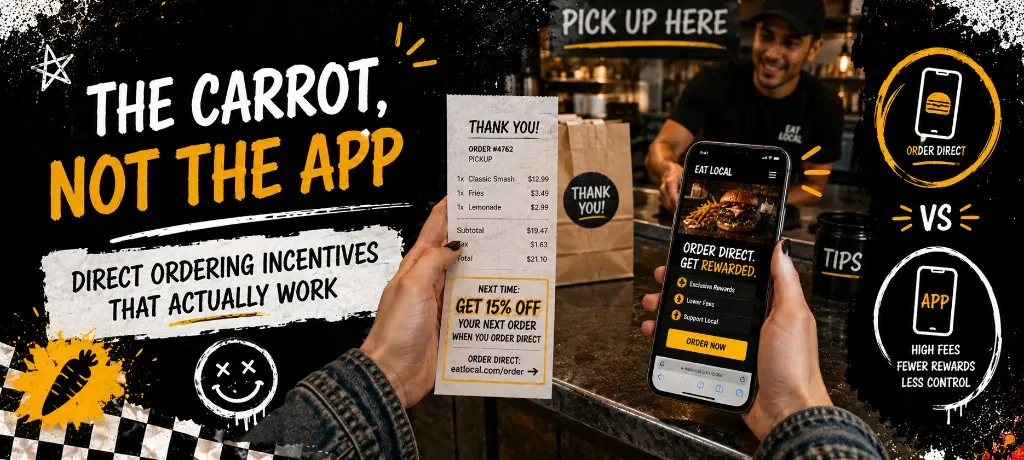
Guests won't ditch DoorDash because you posted 'order direct' once. They'll switch when the direct path pays them back in fries, not vibes.
DoorDash is great at finding new customers. It gets expensive when your regulars keep ordering through the app. Here's how to run the math and pick where each order should land.
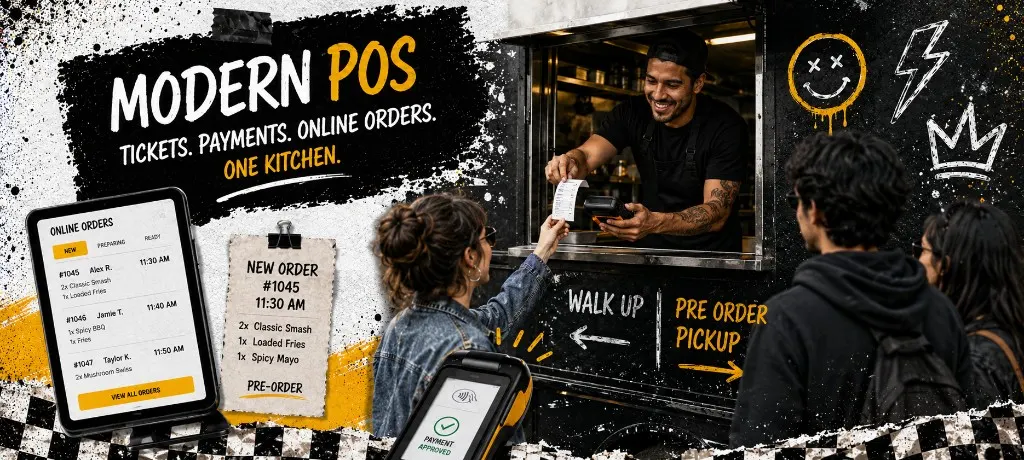
Your POS is more than a card swiper. For trucks and pop-ups it is ticket flow, offline payments, and whether online orders land on the same kitchen rail as walk-up. Here's what modern POS actually means before you sign.
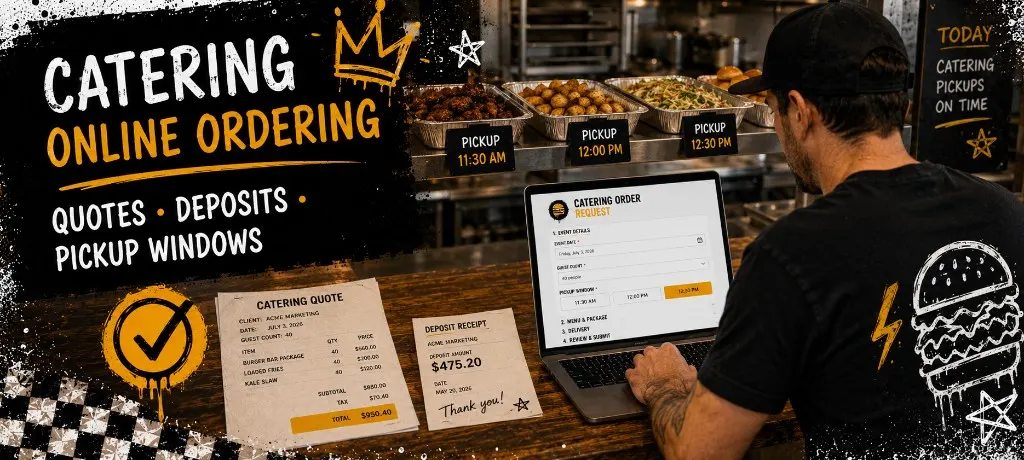
Catering tickets are too big for your taco link. Per-head quotes, deposits at checkout, and fixed pickup windows keep office lunches profitable without another PDF ping-pong thread.
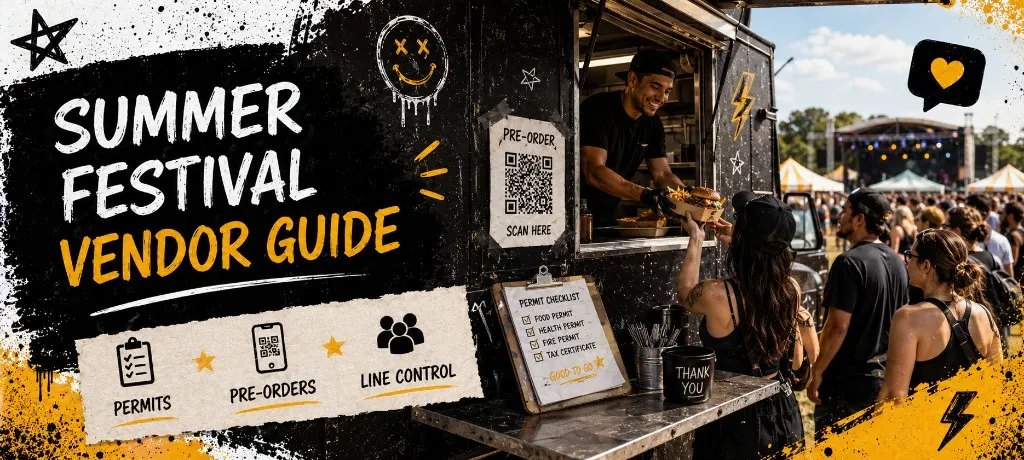
Festival season looks like sunshine and sold-out signs until the health inspector asks for paperwork you forgot to file. Permits first. Then capped pre-orders and a line plan that keeps walk-up moving.
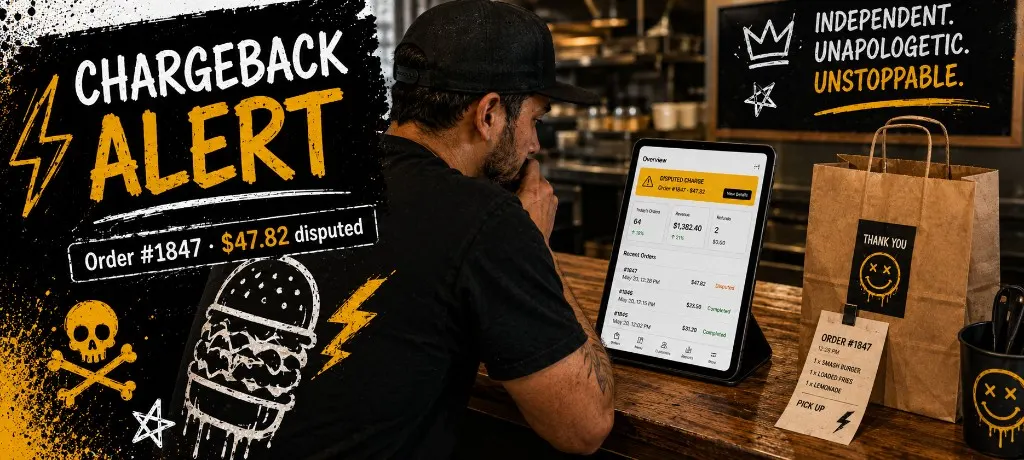
A $32 ticket dispute costs you the food, the refund, and a $15 to $25 processor fee. Small restaurants feel that triple hit harder than chains with fraud teams. Here's how chargebacks work, what you can prevent, and how to fight back with documentation.
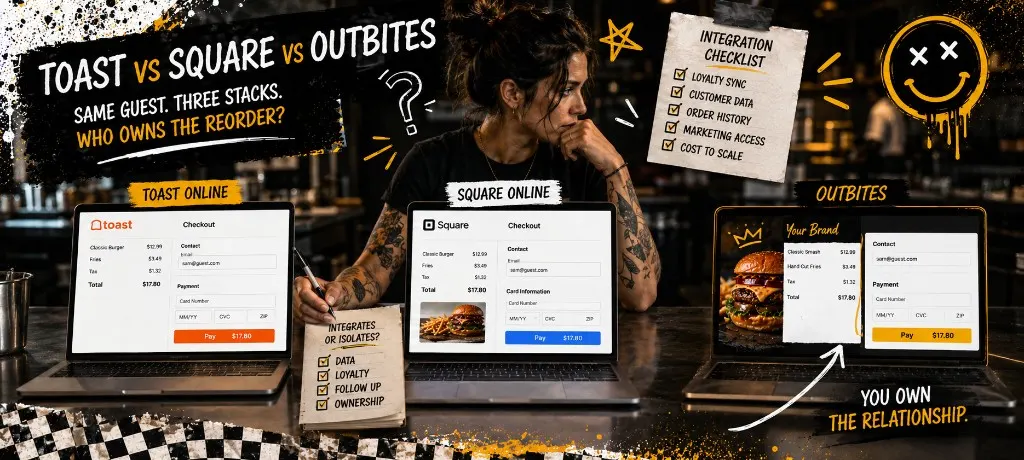
Toast and Square are built around the POS, with online ordering added on. Outbites is a separate ordering tool that works with Stripe or Square payments and your existing register. The right pick depends on who keeps the guest's contact info, not just who prints the ticket.
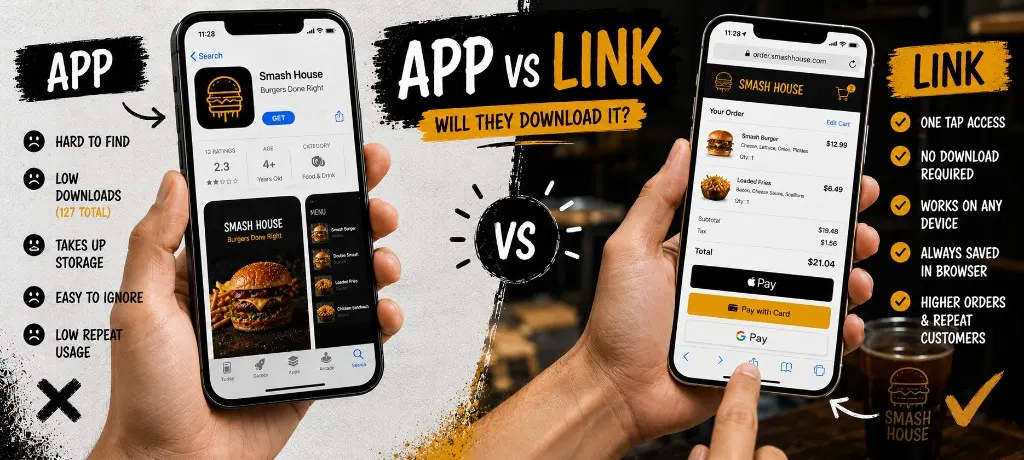
Branded apps sound premium. For most independents, guests reorder from links they already tap: Google, Instagram, receipts, and QR codes. Compare adoption, cost, and retention before you sign an app contract or commission a custom build.
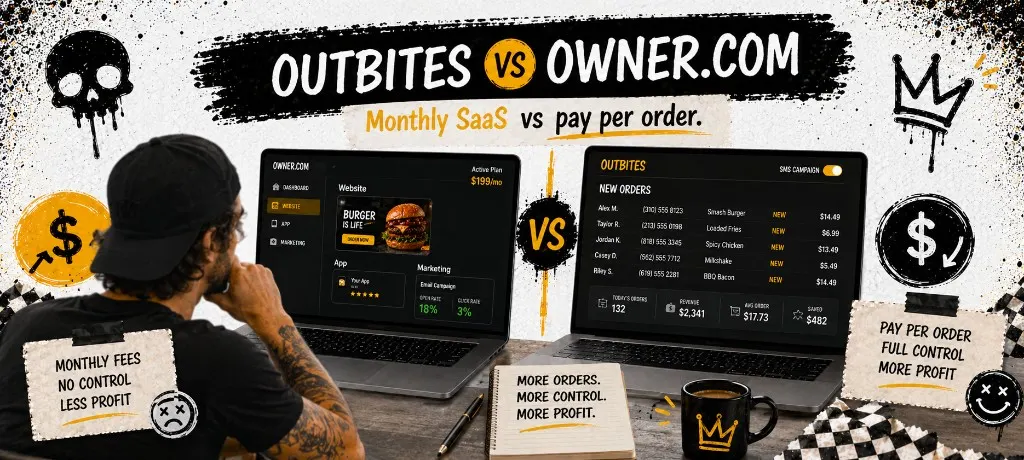
Owner.com bills $249–$499/mo before your first order. Outbites charges $1 per fulfilled order, and with Pass the guest covers it so your platform cost is $0. The right pick depends on volume, format, and whether you need an app store listing or a link guests will actually use.
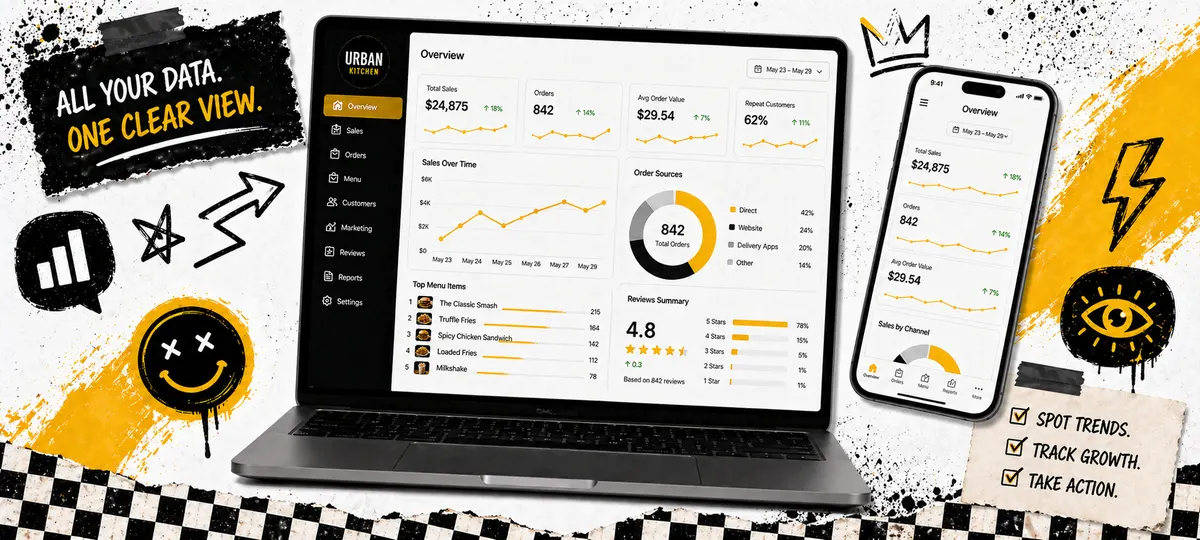
Most restaurant dashboards show what happened. Useful analytics show what to do next. This guide covers the reports operators actually need before adding another BI tool.
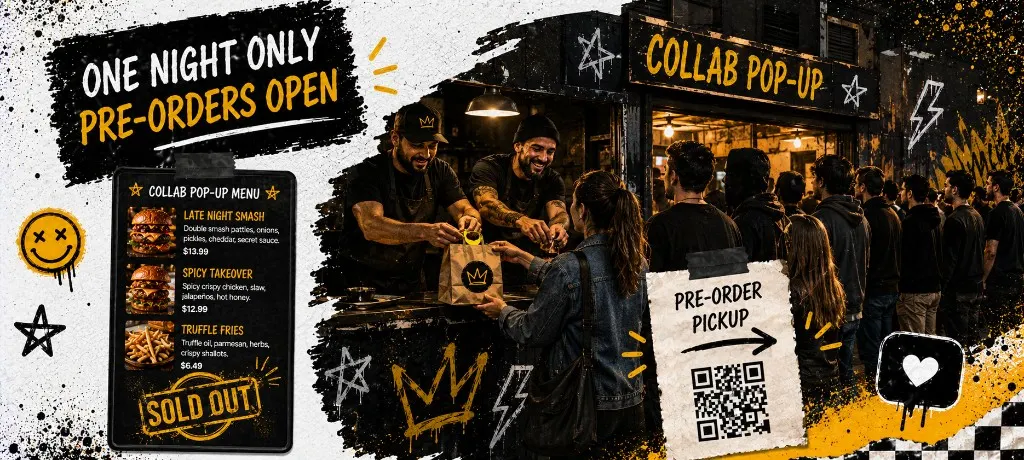
Collab hype fills a room. Kitchen math keeps you out of the weeds. This playbook covers venue setup, pre-order caps, marketing splits, and turning one-night guests into regulars.
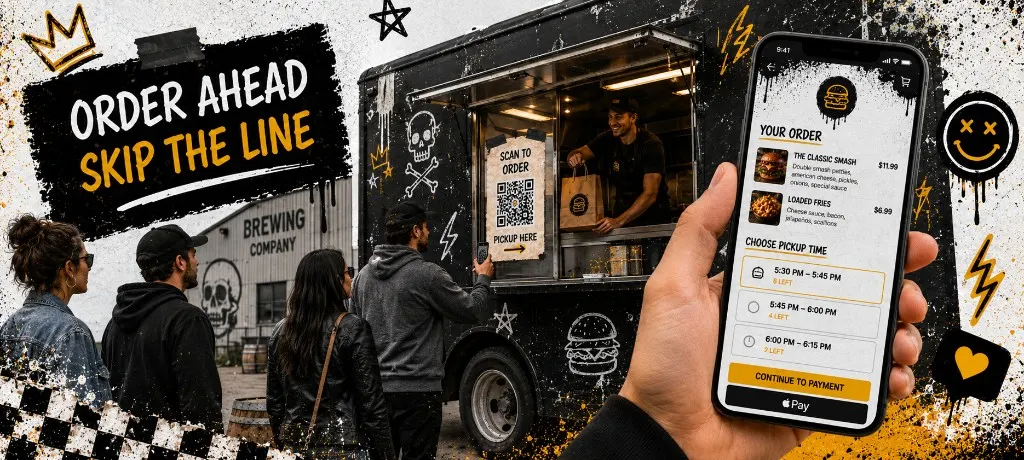
Sit-down restaurant ordering advice breaks on a truck. You need QR at the window, hard caps on event nights, and location SMS to a list you own. Here is the three-part stack that works.
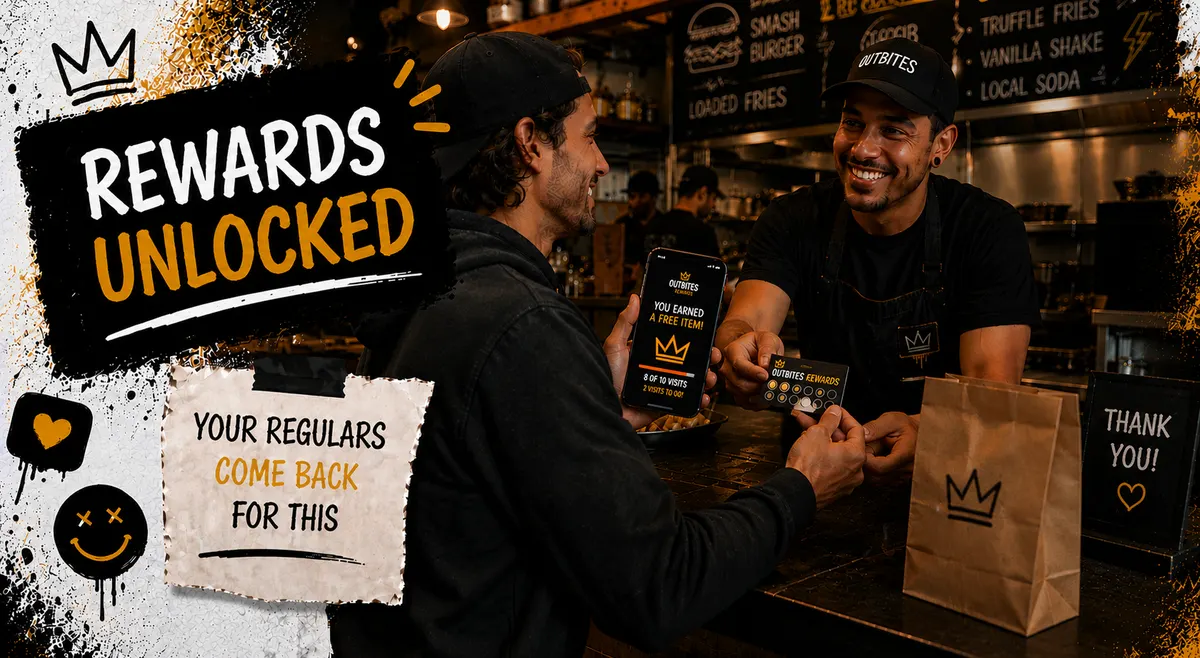
Knowing you need a loyalty program and knowing which one fits a food truck or 12-table restaurant are two different problems. This guide covers the three program types, reward math, and a launch checklist.
ChowNow is a real direct-ordering option. But restaurants comparing alternatives should look past checkout and ask which platform helps build repeat orders.
Delivery apps can be useful for discovery. The expensive mistake is sending every repeat customer back through a channel that takes a percentage of the ticket.
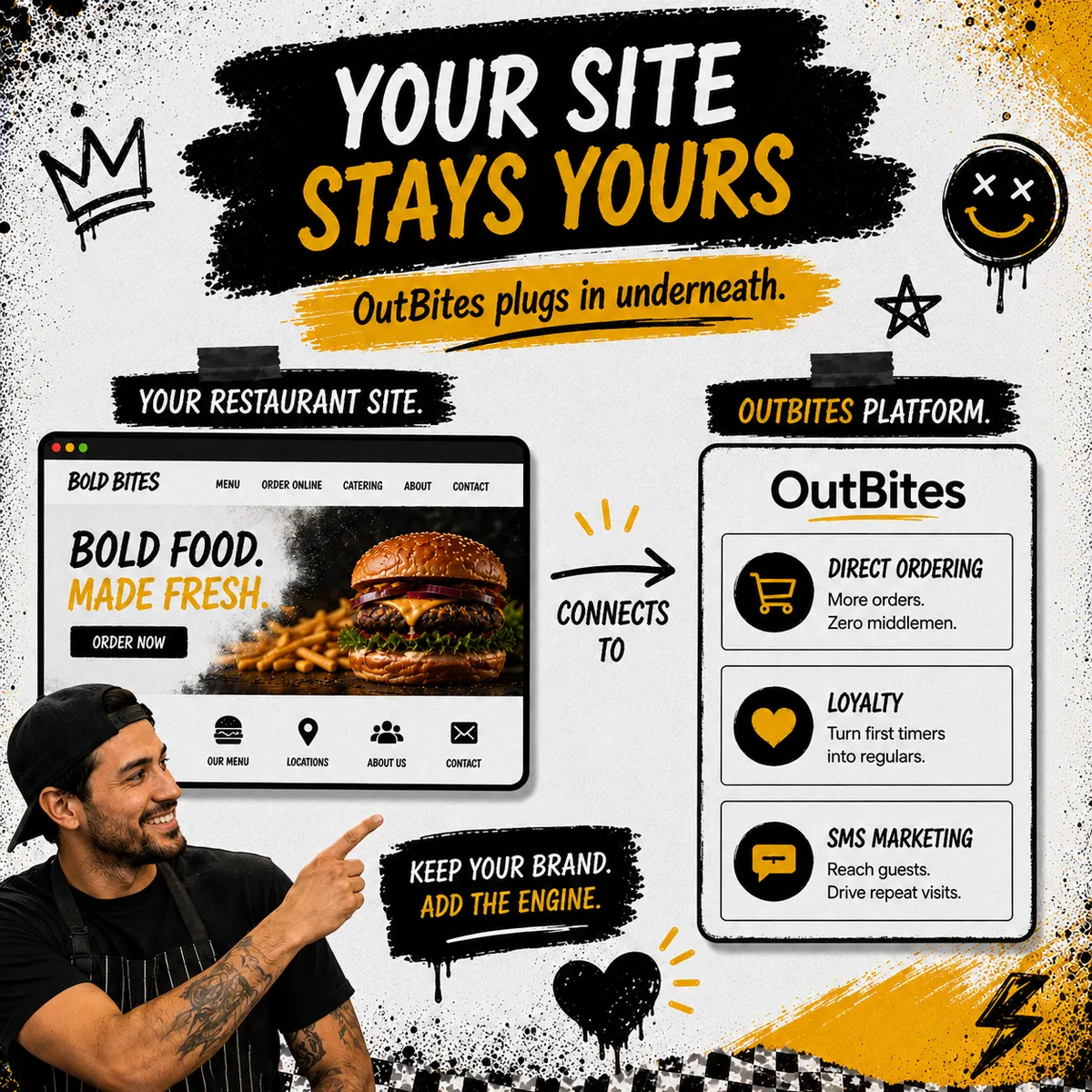
Small restaurants do not need another marketplace dependency. They need a direct ordering platform that fits their volume, protects margin, and turns every order into customer data.
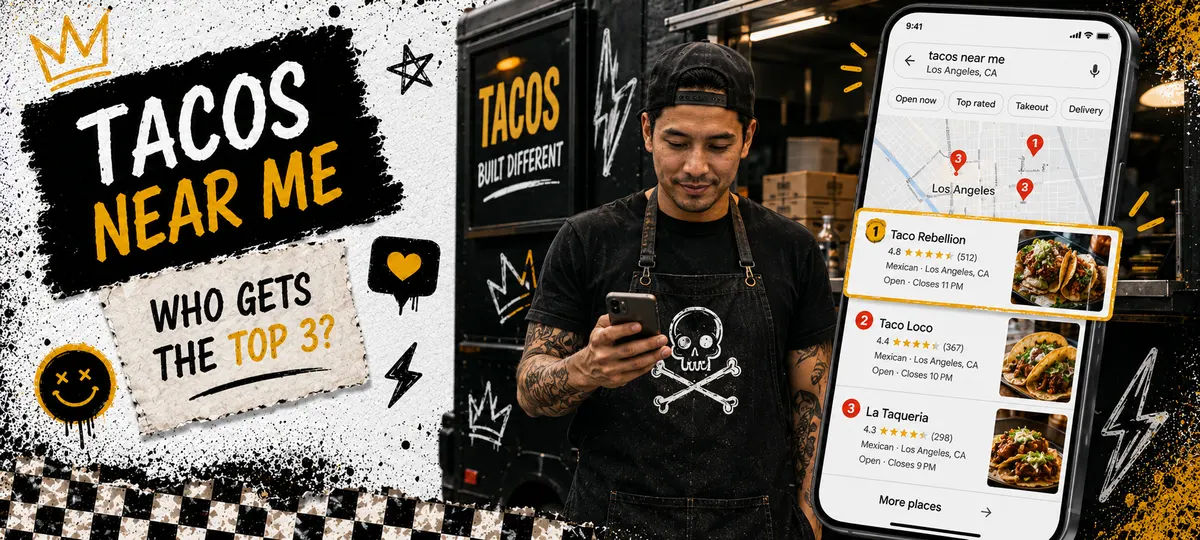
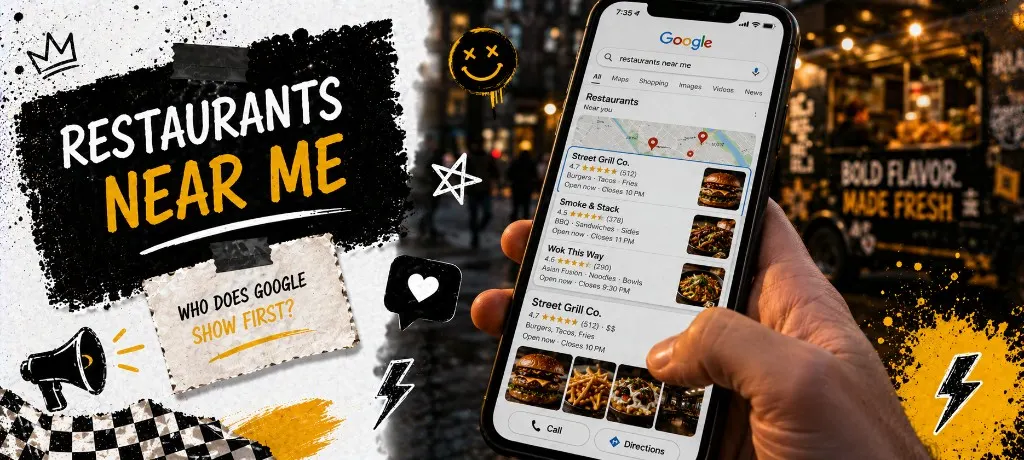
Your competitor ranking above you on Google did a handful of things you have not done yet. This playbook covers the six signals that move local restaurant rankings and how to fix them in 15 minutes each.
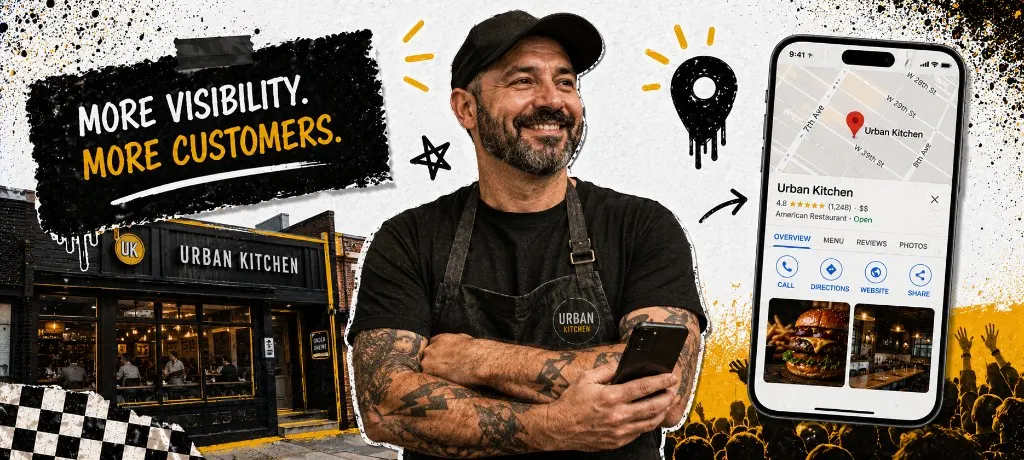
Google Business Profile is free, takes about 20 minutes to set up, and drives more restaurant foot traffic than most paid ads. If yours is half-finished or missing, hungry people in your area find someone else.
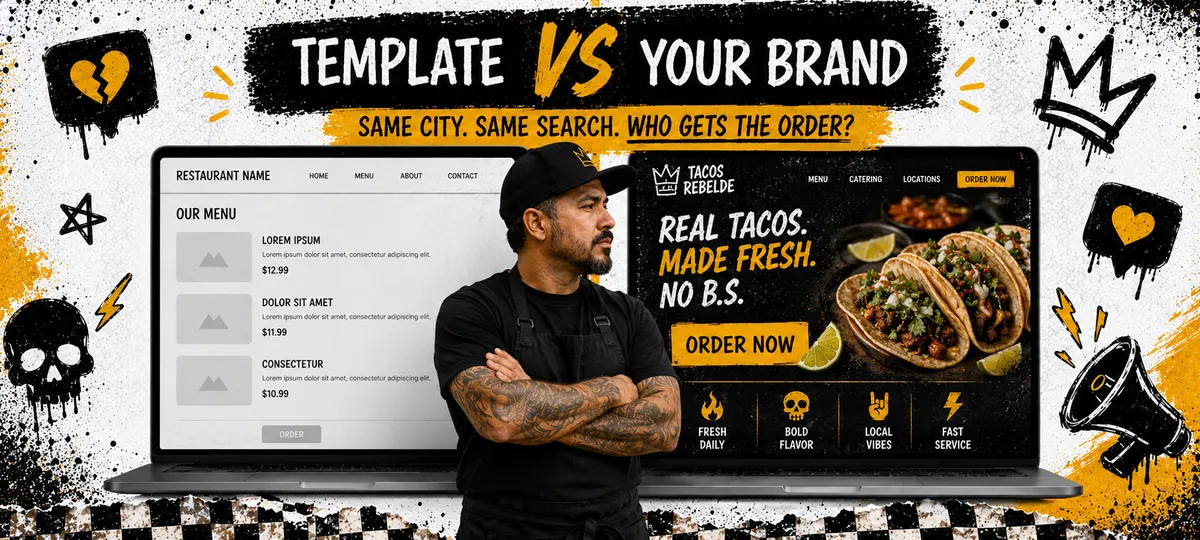
Templates get you online fast. Six months later, your site looks like everyone else's and your customer data lives on someone else's platform. A custom website puts your brand first and keeps the guest file where it belongs: with you.
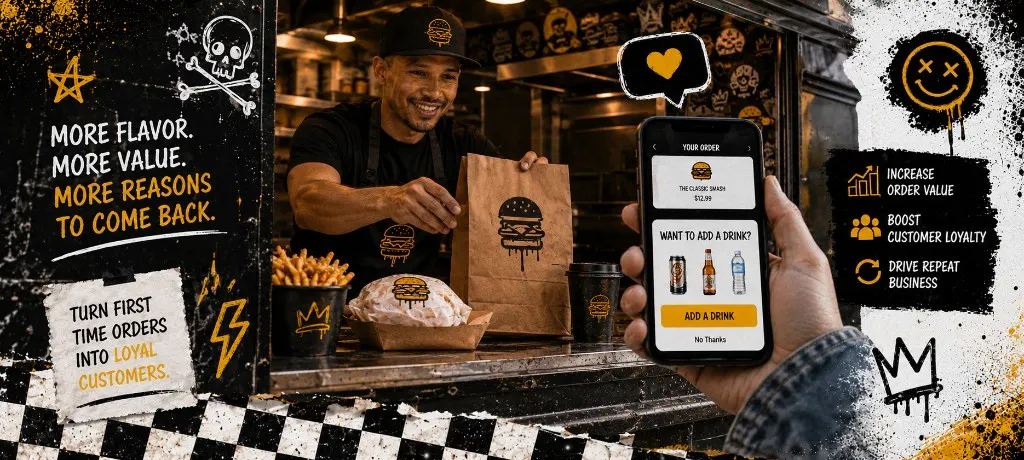
Your average ticket could be $4-8 higher per order. Combo logic, smart add-on prompts, and modifier upgrades that raise revenue without slowing the line or annoying guests.
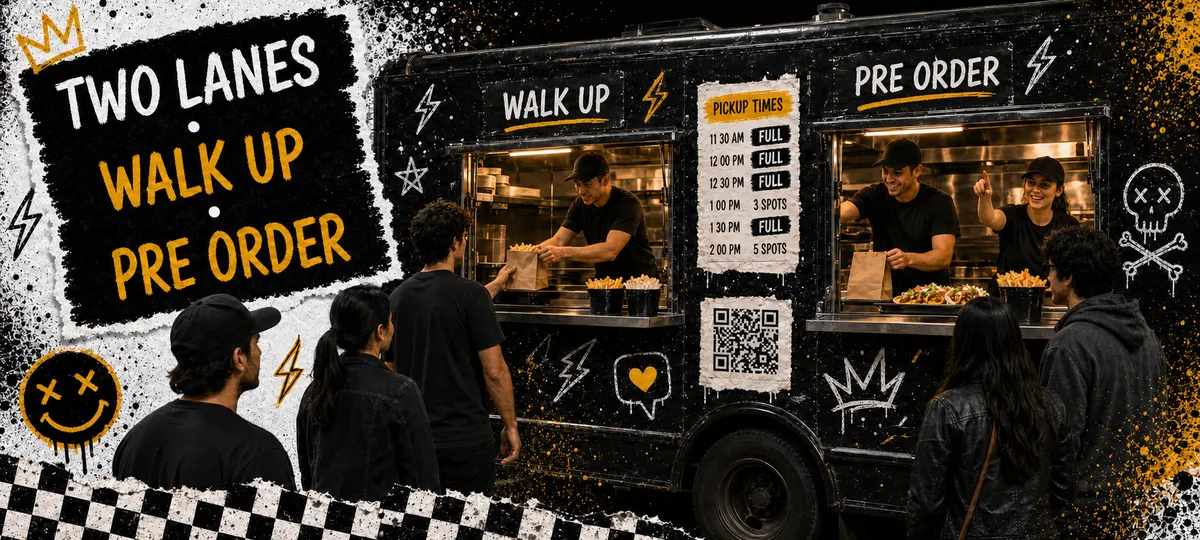
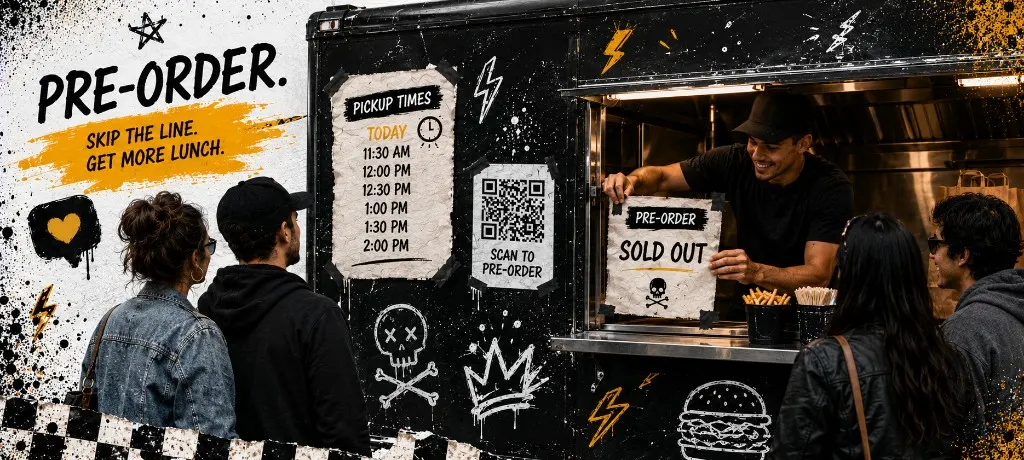
Sold-out on the window sounds great until the line cannot keep up. Capped pre-orders with real pickup slots let you sell the night without guessing prep.
No storefront does not mean no guest file. Ghost kitchens that only live on apps rent every repeat order. Build a direct lane for catering, reorders, and pickup guests who need clarity, not another tracker.
Paying 15–30% on every ticket you still cooked is not a business model. Here is the dual-run playbook that keeps the kitchen sane while you move repeat customers to a link you actually own.
A quiet list is not a broken list. It is usually a timing and message problem. This guide covers who to message first, how often, how to estimate one send, and templates you can reuse every slow stretch.
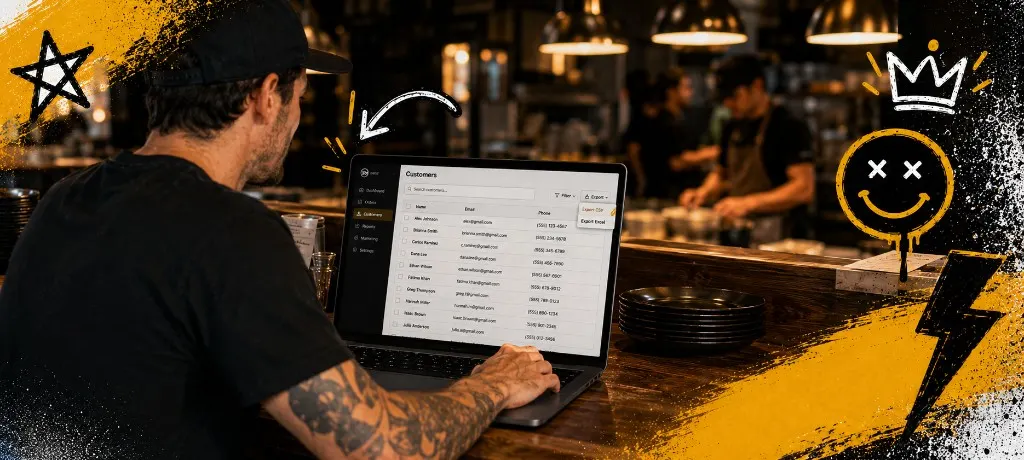
If you cannot message past guests, you rent every reorder from an app. Owned lists fix that. This guide walks through what to capture, where to capture it, and how it plugs into loyalty and SMS.
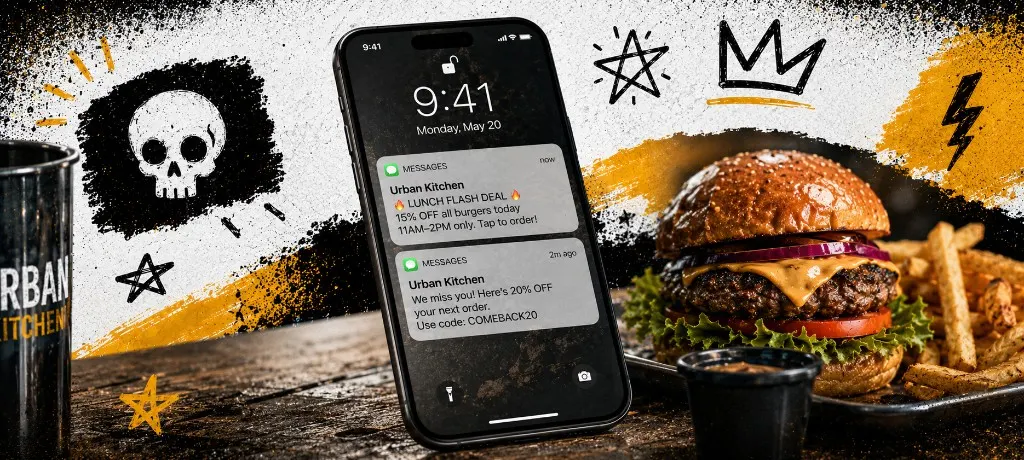
98% of texts get opened. Most within 3 minutes. If you run an independent restaurant and you are not texting your customers, you are leaving repeat orders on the table every single week.
Post twice, ghost for two weeks, wonder why nobody finds you. A 30-minute Monday routine covering Maps, one short-form clip, and an order path gut-check keeps you showing up all week.
Most operators know reviews matter. Almost nobody has a system. This is the timing and automation setup that brings in steady Google reviews without weird register conversations.
Customers still scan. They are tired of zooming into PDFs. Here is what full ordering flows are changing about average tickets, speed, and data you can actually use.
Holidays are volume spikes. Ship one tight offer, push online ordering, post with urgency, run quick SMS reminders, then follow up the next day to keep new guests.
73% of diners say they are more likely to come back if you offer loyalty. Here is how to launch a simple program that drives repeat orders without enterprise complexity.
Don't guess with their margin. Check volume, POS, customer data, and slow-month cost before you say a brand out loud.
Don't guess what DoorDash or Uber Eats take. Look at last month's payout, add ads and deals you paid for, and decide what still earns a cut.
Don't leave Google reviews on read. Food trucks and independents win trust when they thank 5-stars fast, fix mixed feedback, and calm angry reviews without a public fight.
Menu pricing for food trucks and independents starts with plate cost and a target food-cost percent, not copying the truck two spots over. Use the calculator below when ingredients jump or you want a clean raise.
Going direct isn't a clean break. It's 90 days of two lanes, one staff script, labeled tickets, and margin that recovers before gross sales do. A week-by-week plan for food trucks, pop-ups, ghost kitchens, and independents.
Chains buy reach with national ad budgets and app installs. Small restaurants win when local search, a direct ordering link, SMS, and loyalty turn regulars into repeat revenue you actually own.
Software doesn't fix a board with eighty tickets and one flat top. Order management is caps, lanes, and crew roles that match how your truck actually sells at peak.
Automation isn't a corporate luxury. It's the post-order thank-you you'd forget at 10 PM and the win-back you'd never send if you had to do it by hand.
You don't need a corporate marketing team to run email that fills slow nights. You need checkout capture, a few campaign types, and a win-back that doesn't read like spam.
Referral programs fail when only one side gets paid and nobody can track the code. Give a taco, get a taco. Both sides win, you keep the guest on your direct link.
Uber Eats made sense when you needed delivery reach. It hurts when regulars keep ordering through the app and you're funding someone else's customer list. Here's how to migrate without a revenue cliff.
Guests won't ditch DoorDash because you posted 'order direct' once. They'll switch when the direct path pays them back in fries, not vibes.
DoorDash is great at finding new customers. It gets expensive when your regulars keep ordering through the app. Here's how to run the math and pick where each order should land.
Your POS is more than a card swiper. For trucks and pop-ups it is ticket flow, offline payments, and whether online orders land on the same kitchen rail as walk-up. Here's what modern POS actually means before you sign.
Catering tickets are too big for your taco link. Per-head quotes, deposits at checkout, and fixed pickup windows keep office lunches profitable without another PDF ping-pong thread.
Festival season looks like sunshine and sold-out signs until the health inspector asks for paperwork you forgot to file. Permits first. Then capped pre-orders and a line plan that keeps walk-up moving.
A $32 ticket dispute costs you the food, the refund, and a $15 to $25 processor fee. Small restaurants feel that triple hit harder than chains with fraud teams. Here's how chargebacks work, what you can prevent, and how to fight back with documentation.
Toast and Square are built around the POS, with online ordering added on. Outbites is a separate ordering tool that works with Stripe or Square payments and your existing register. The right pick depends on who keeps the guest's contact info, not just who prints the ticket.
Branded apps sound premium. For most independents, guests reorder from links they already tap: Google, Instagram, receipts, and QR codes. Compare adoption, cost, and retention before you sign an app contract or commission a custom build.
Owner.com bills $249–$499/mo before your first order. Outbites charges $1 per fulfilled order, and with Pass the guest covers it so your platform cost is $0. The right pick depends on volume, format, and whether you need an app store listing or a link guests will actually use.
Most restaurant dashboards show what happened. Useful analytics show what to do next. This guide covers the reports operators actually need before adding another BI tool.
Collab hype fills a room. Kitchen math keeps you out of the weeds. This playbook covers venue setup, pre-order caps, marketing splits, and turning one-night guests into regulars.
Sit-down restaurant ordering advice breaks on a truck. You need QR at the window, hard caps on event nights, and location SMS to a list you own. Here is the three-part stack that works.
Knowing you need a loyalty program and knowing which one fits a food truck or 12-table restaurant are two different problems. This guide covers the three program types, reward math, and a launch checklist.
ChowNow is a real direct-ordering option. But restaurants comparing alternatives should look past checkout and ask which platform helps build repeat orders.
Delivery apps can be useful for discovery. The expensive mistake is sending every repeat customer back through a channel that takes a percentage of the ticket.
Small restaurants do not need another marketplace dependency. They need a direct ordering platform that fits their volume, protects margin, and turns every order into customer data.
Your competitor ranking above you on Google did a handful of things you have not done yet. This playbook covers the six signals that move local restaurant rankings and how to fix them in 15 minutes each.
Google Business Profile is free, takes about 20 minutes to set up, and drives more restaurant foot traffic than most paid ads. If yours is half-finished or missing, hungry people in your area find someone else.
Templates get you online fast. Six months later, your site looks like everyone else's and your customer data lives on someone else's platform. A custom website puts your brand first and keeps the guest file where it belongs: with you.
Your average ticket could be $4-8 higher per order. Combo logic, smart add-on prompts, and modifier upgrades that raise revenue without slowing the line or annoying guests.
Sold-out on the window sounds great until the line cannot keep up. Capped pre-orders with real pickup slots let you sell the night without guessing prep.
No storefront does not mean no guest file. Ghost kitchens that only live on apps rent every repeat order. Build a direct lane for catering, reorders, and pickup guests who need clarity, not another tracker.
Paying 15–30% on every ticket you still cooked is not a business model. Here is the dual-run playbook that keeps the kitchen sane while you move repeat customers to a link you actually own.
A quiet list is not a broken list. It is usually a timing and message problem. This guide covers who to message first, how often, how to estimate one send, and templates you can reuse every slow stretch.
If you cannot message past guests, you rent every reorder from an app. Owned lists fix that. This guide walks through what to capture, where to capture it, and how it plugs into loyalty and SMS.
98% of texts get opened. Most within 3 minutes. If you run an independent restaurant and you are not texting your customers, you are leaving repeat orders on the table every single week.
Post twice, ghost for two weeks, wonder why nobody finds you. A 30-minute Monday routine covering Maps, one short-form clip, and an order path gut-check keeps you showing up all week.
Most operators know reviews matter. Almost nobody has a system. This is the timing and automation setup that brings in steady Google reviews without weird register conversations.
Customers still scan. They are tired of zooming into PDFs. Here is what full ordering flows are changing about average tickets, speed, and data you can actually use.
Holidays are volume spikes. Ship one tight offer, push online ordering, post with urgency, run quick SMS reminders, then follow up the next day to keep new guests.
73% of diners say they are more likely to come back if you offer loyalty. Here is how to launch a simple program that drives repeat orders without enterprise complexity.
More articles coming soon
More articles coming soon
More articles coming soon
Join hundreds of independent restaurants using Outbites to own their customer relationships and reduce platform commissions.
Start Your Free Trial