TL;DR
QR codes are not the problem. A code that opens a static PDF is the problem. In 2026 guests expect to browse, customize, and pay on the phone while the kitchen sees clean tickets. Integrated ordering replaces scan-to-view with scan-to-order, captures guest data, and shrinks errors. If you are still linking to a PDF, you are saving print costs and losing experience, ticket size, and speed.
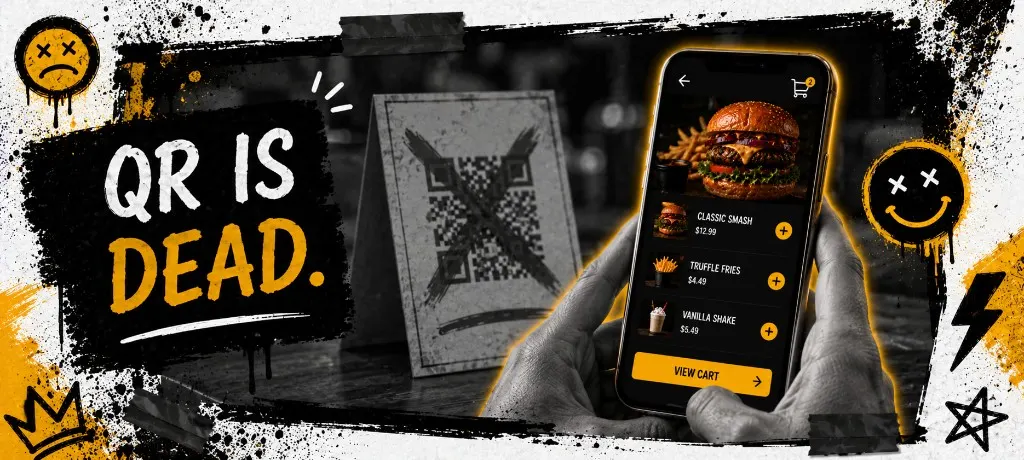
Remember when QR codes were going to revolutionize dining? That was 2020. They did what we needed in a pinch: touchless menus, fast deployment, and a way to change items without a reprint. The shift now is attitude. In 2026 many guests still scan, but they are done treating a PDF like a product experience.
Operator surveys and floor chatter line up. People run into battery anxiety, slow data, tiny type, and menus that were never designed for a five-inch screen. They want to compare items, add modifiers, and finish without waiting for someone to take the order back to a terminal. The data story is just as blunt: average time on a QR PDF menu often lands under half a minute, which is not enough time to build a confident order.
The pain for restaurants is subtler. Teams saved print and laminate costs, but many traded them for confused guests, longer table turns, and tickets that still depend on a server as middleware. This post walks through what is replacing basic QR-to-PDF flows, why integrated ordering wins on margin and operations, and what to invest in before the concept down the street gets there first.
Why Customers Are Over QR Menus
The Data on QR Code Fatigue
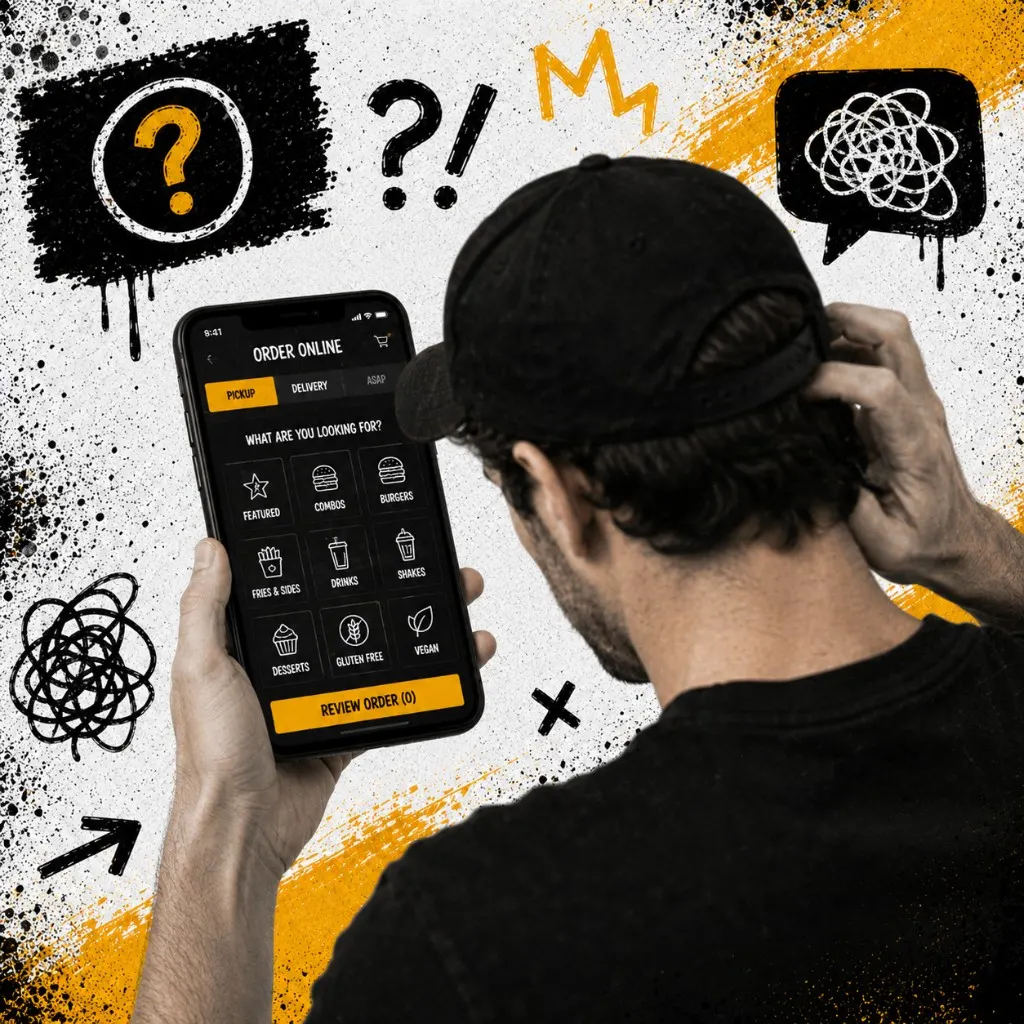
The early novelty wore off. Today a QR that opens a static file reads like a chore. Guests know the pattern: squint, pinch, scroll, lose their place, ask for paper anyway. That is not a technology failure. It is a workflow failure.
- Phones die, coverage sputters, and outdoor seating makes glare a real issue.
- PDFs rarely match how people choose food. Compare two entrees side by side and you are juggling memory, not interface.
- Customization disappears. Modifiers, allergies, and prep notes get compressed into a verbal handoff that can break.
- Some guests still say it out loud: just give me a regular menu.
When researchers ask diners about format preference, printed menus still win a clear majority whenever they are offered. That does not mean paper is the future. It means the digital substitute has to feel as legible and decisive as paper, not like a document meant for a desktop printer. Session timing studies on PDF menus often show guest engagement in the 20–30 second band, which lines up with skimming, not buying.
Restaurants got a cost win on printing. Many bought a hidden cost on experience: slower decisions, more server interruptions, and missed upsells because nothing on the PDF nudges the guest toward add-ons.
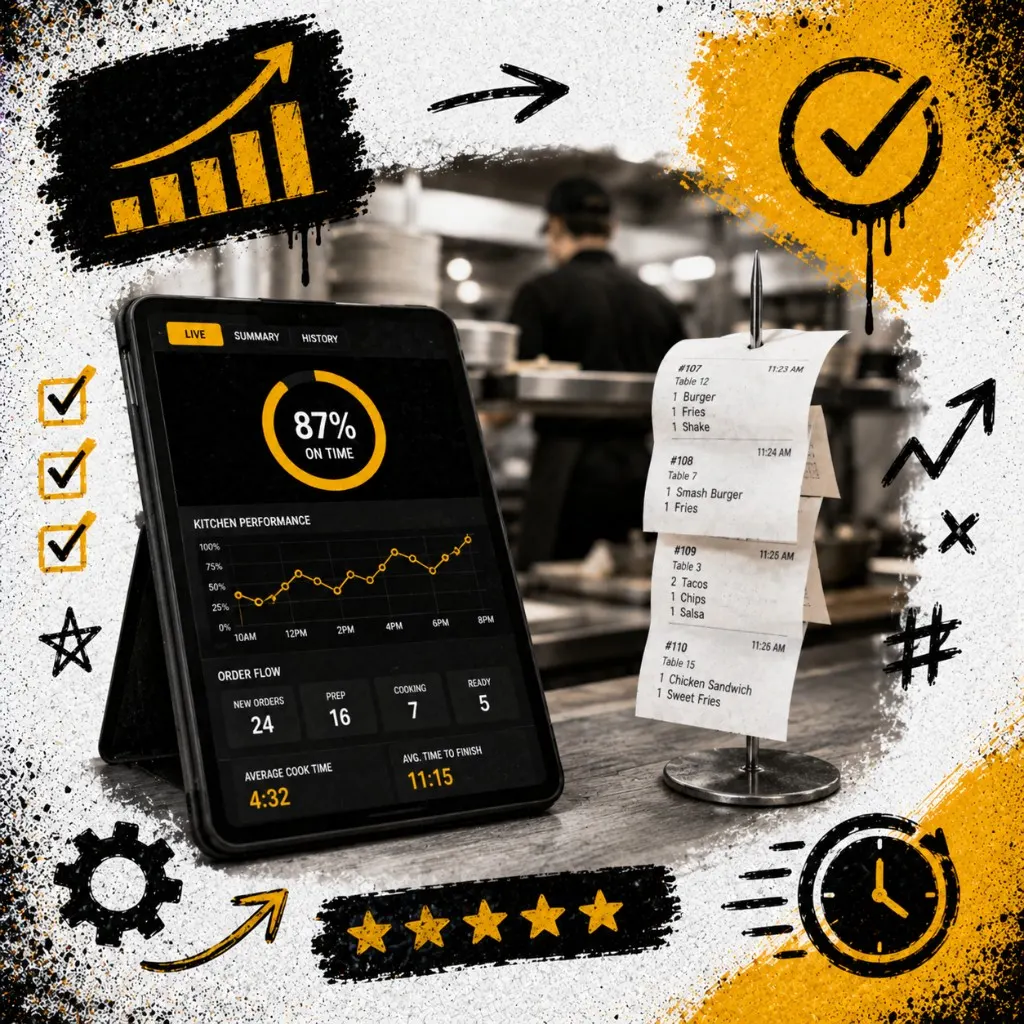
From Static PDFs to Interactive Experiences
Think of digital menus in three stages. Each stage solved the last problem, and each stage moved revenue closer to the guest's thumb.
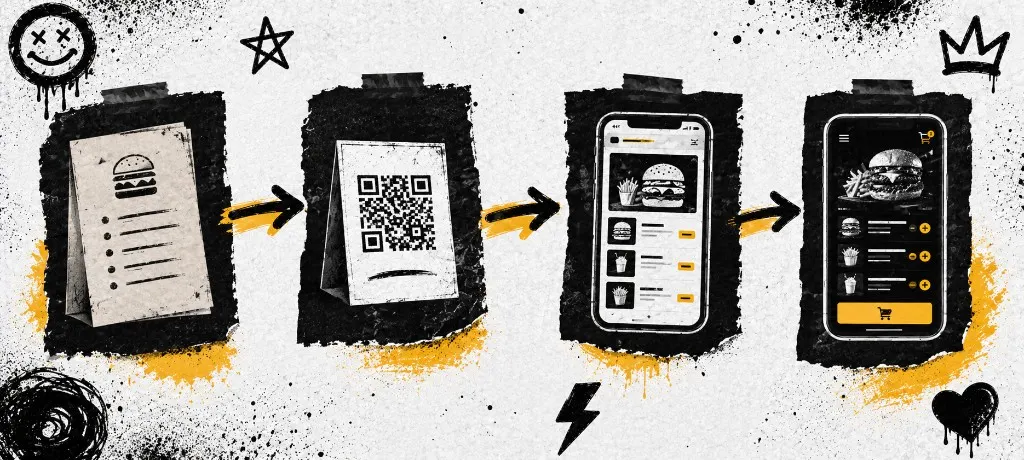
Stage 1: QR to PDF (2020–2021). Pandemic necessity. Better than a shared laminated card, still a photograph of a page on glass.
Stage 2: QR to a mobile web page (2022–2023). Readability improved. Typography and tap targets got sane. You were still mostly looking, not buying.
Stage 3: Integrated ordering (2024 onward). The same link handles browse, modifiers, payment, and a ticket the kitchen can trust. The menu is not a file. It is the front half of the order pipeline.
The difference is the purchase path. A strong 2026 flow lets a guest finish without app-store friction, without retyping a card for every visit, and without hoping a server heard the allergy note correctly.
How Integrated Systems Outperform Basic QR Codes
The Business Case for Upgrading
When guests control pacing, they explore more of the menu. Thoughtful upsell placement (drinks, sides, larger sizes) stops being a server monologue and becomes a quiet nudge at decision time. That is how average checks move without sleazy pressure.
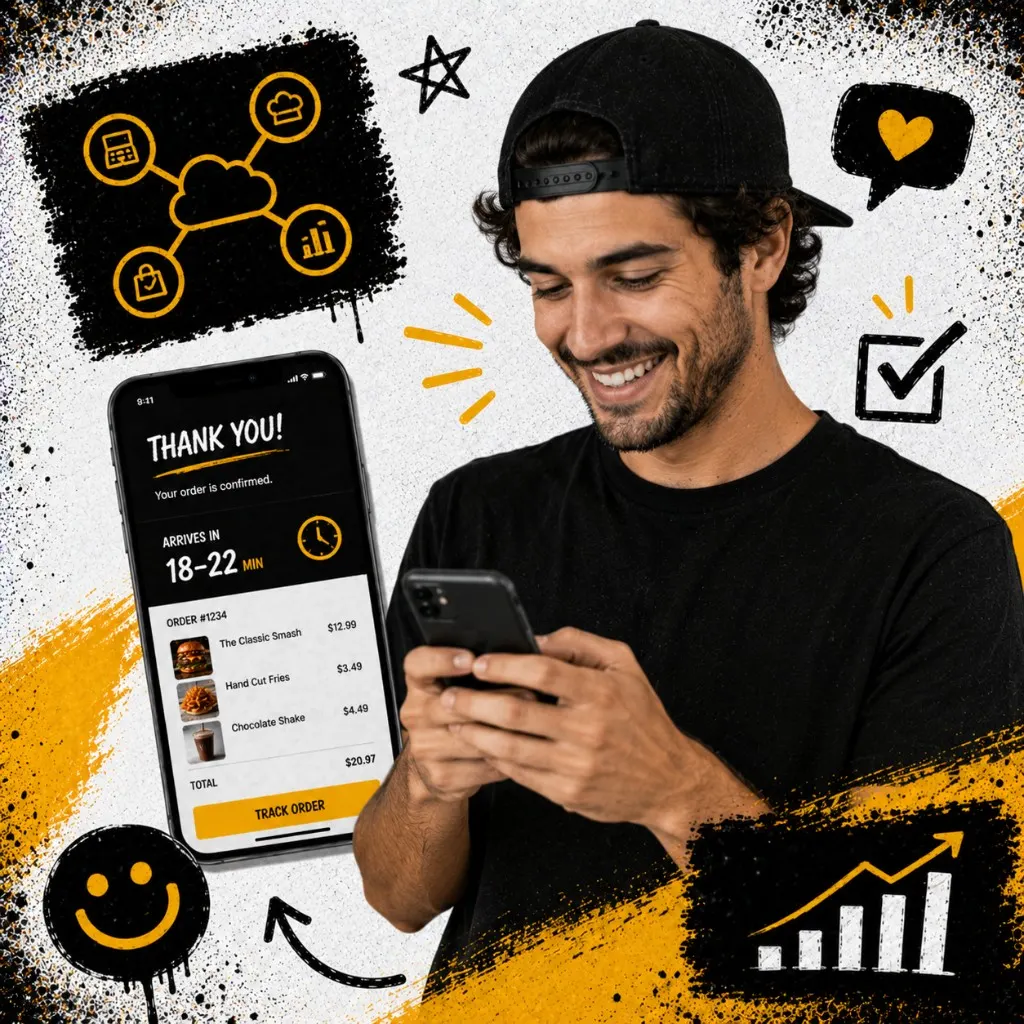
- Fewer errors. Modifiers and allergy notes land on the ticket as the guest typed them. You cut the telephone game between table and terminal.
- Faster turns when it matters. Guests order when ready. Payment can close without chasing a check presenter. Fast-casual and counter-service teams feel this first.
- Better data. You see what sells, what dies, and what pairs. You can market to people who already chose you, not to anonymous traffic.
- Staff focus. Servers spend less time as order takers and more time on hospitality, wine, and the moments that justify a tip.
None of this requires a gimmick. It requires tooling that respects how people already use their phones: scroll, tap, confirm, pay, done.
Same order: two paths
Real Examples of the Upgrade
The pattern repeats across formats. Operators swap scan-to-view for scan-to-buy, then they tighten the bottleneck that was starving the business. Numbers below are illustrative composites from common before-and-after setups, not a promise for your location.
Fast-casual. A QR PDF slowed the line during lunch because guests leaned on cashiers for clarification. A branded ordering kiosk plus mobile pickup cut clarification chatter. Service rhythm improved roughly 25% and average ticket rose near 15% after upsells landed in-flow.
Full-service. Peak Saturdays crushed the floor team. Replacing PDF-only scans with an actual ordering link let guests fire drinks and starters while servers focused on pacing and hospitality. Covers stayed human. The ordering pipeline got quieter.
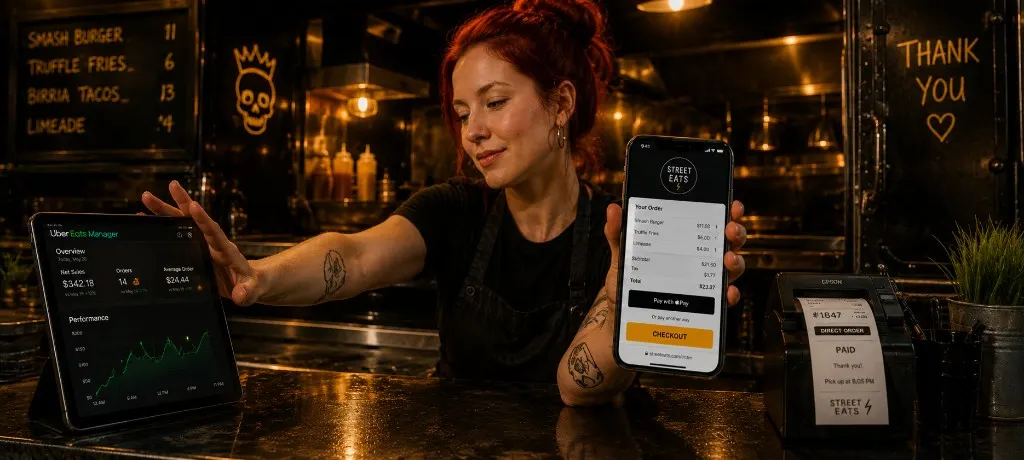
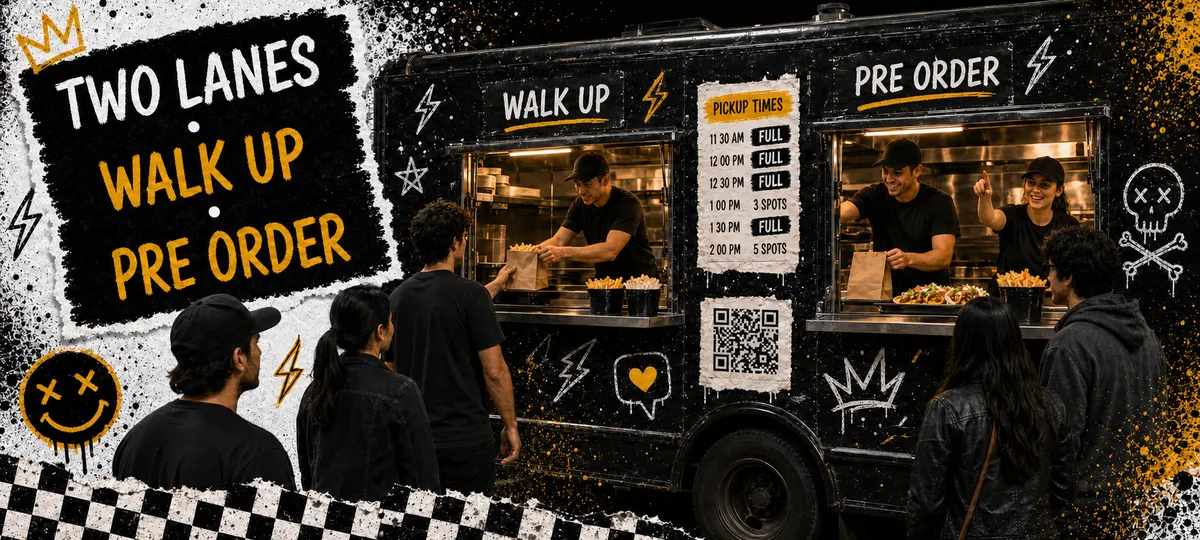
Food truck. Long queues meant walkaways at the curb. Promoting order-ahead captured tickets before Wheels-up. Roughly 40% of orders arrived prepaid in one typical deployment we see after signage and bios get updated for a single link.
Future-Proofing Your Restaurant
If you sketch a roadmap on one page, prioritize the pieces guests feel first, then the back-of-house certainty that keeps comps down.
- Mobile ordering that is not a PDF. Legible typography, sane hierarchy, predictable navigation.
- Integrated payment. Fewer terminals passed hand-to-hand at closeout.
- Real-time menu state. When you 86 something, it vanishes instantly on the guest device.
- Contact capture. Build a lawful list so remarketing survives the next algorithm change.
- Loyalty or stored value that rewards direct visits
- Recommendations seeded from repeat orders after you earn the data
- Multi-language where your neighborhood demands it
If you remain on QR-to-PDF, you are behind the onboarding curve in most markets, not because QR is dated, because the outcome guests want has changed. Competitors who finish the ordering loop on-device will skim guests who refuse another PDF gymnastics session. Installation today is lighter than twelve months ago across most platforms.
QR codes were a bridge, not a destination. Customers are ready for something that respects their time and your margin. The risk is not experimenting. The risk is standing still while the table next door closes the loop on the same guest with less friction.
Ready to upgrade? See how Outbites replaces your QR code workflow with an integrated system on Outbites online ordering. Start with browse-to-checkout continuity, own your guest touchpoints again, then layer loyalty once the list is healthy.

Katie Carswell
Account & Social Media Manager
Sharing firsthand stories and lessons learned from running an independent restaurant: margins, marketing, and owning your customer relationships.
How this guide was put together
This article was written for independent food businesses looking for practical ways to grow direct orders, repeat visits, and customer relationships. We keep the advice operator-focused, avoid generic playbooks, and update posts when the restaurant marketing landscape changes.