TL;DR
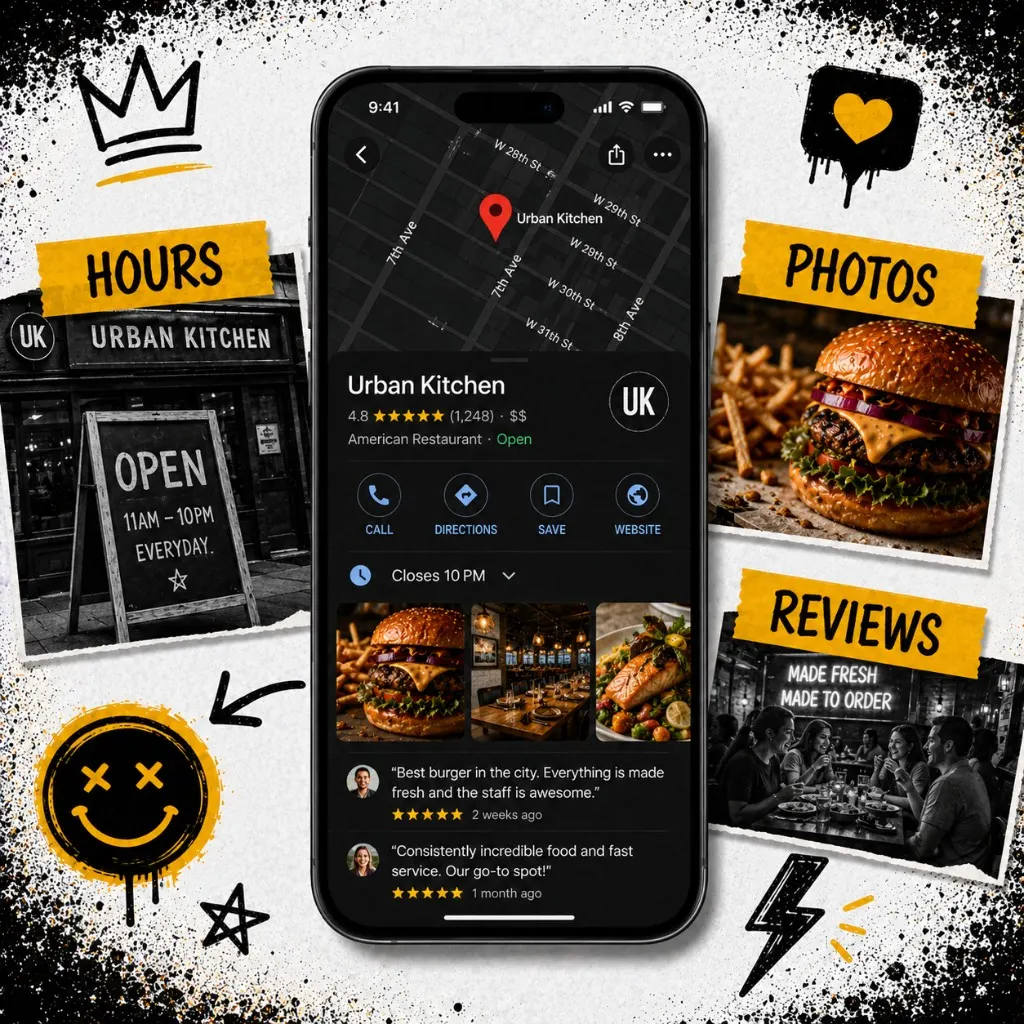
Block 30 minutes every Monday. First eight minutes: verify Maps accuracy and swap a weak photo. Next ten: shoot or schedule one short clip tied to something real (a review, an accolade, a line out the door). Last twelve: open your own order link on LTE incognito, time to cart, and log what broke. Do it weekly and the signals stack. Skip weeks and they don't.
Nobody walks in anymore without checking first. They search, they scroll Maps, they watch six seconds of a reel. If the listing is wrong, the feed looks abandoned, or the order link goes nowhere, the decision is already made. They pick somewhere else.
Most operators get this. The problem is what happens next: post twice, disappear for two weeks, panic when a one-star review shows up, repeat. That stop-start rhythm tells Google you're inactive. It tells followers you probably closed.
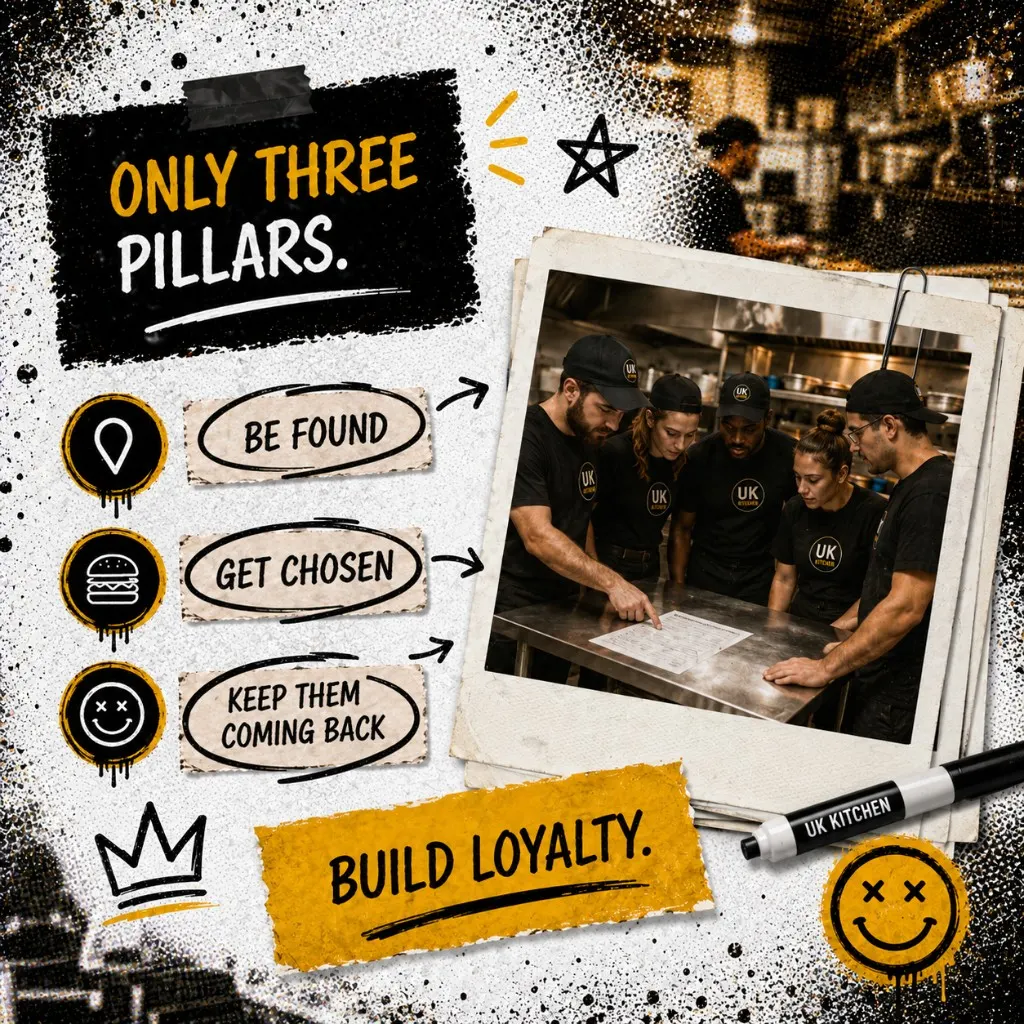
Here is what actually works: 30 minutes, same day each week, same calendar block. You check your listings, shoot one piece of content, and test your order link. That is it. Do it on Monday and the machine runs the other six days without you touching it.
Why "Weekly" Beats "When I Have Time"
How small signals stack up in local search
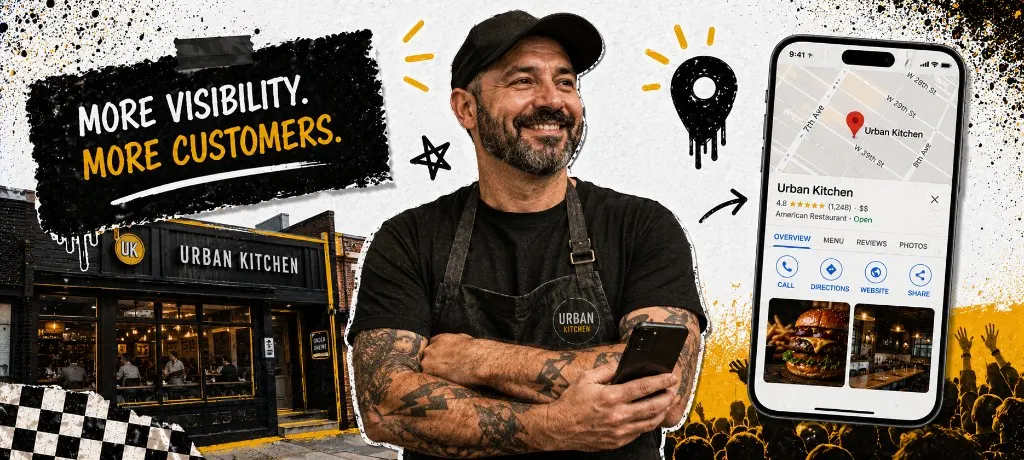
Google does not care if your photo is gorgeous. It cares that the photo is recent. Same with reviews, Q&A answers, and hours. None of it is glamorous. All of it is weighted. A profile that gets touched weekly stacks those small signals month after month. A profile that gets overhauled once a quarter looks alive for about a week, then drifts.
People work the same way. You only fix the profile after someone complains: wrong hours on Memorial Day, a dead link a regular screenshotted, a photo of the pork belly you pulled in January. But the guests who bounced off your listing never told you. They just went somewhere else.
When someone searches for lunch, they are not looking for inspiration. They want a correct pin, a menu that loads, and a realistic sense of how long they will wait. Miss one of those and they scroll past you. Monday is not a marketing chore. It is 30 minutes of making sure the machine works.
The 30-Minute Routine, Minute by Minute
Protect the Timer. Rotate Depth Week to Week.
Weekly marketing routine
30-Minute Monday Marketing Checklist (print-friendly)
Print this or pin it near your POS. One pass through all three pillars keeps your restaurant findable without eating your day.
- Maps pass: Confirm hours, holiday notes, phone, reservations link, and pin accuracy.
- Maps pass: Flag one weak photo slot to rotate next week.
- Maps pass: Answer one Q&A or respond to a recent review.
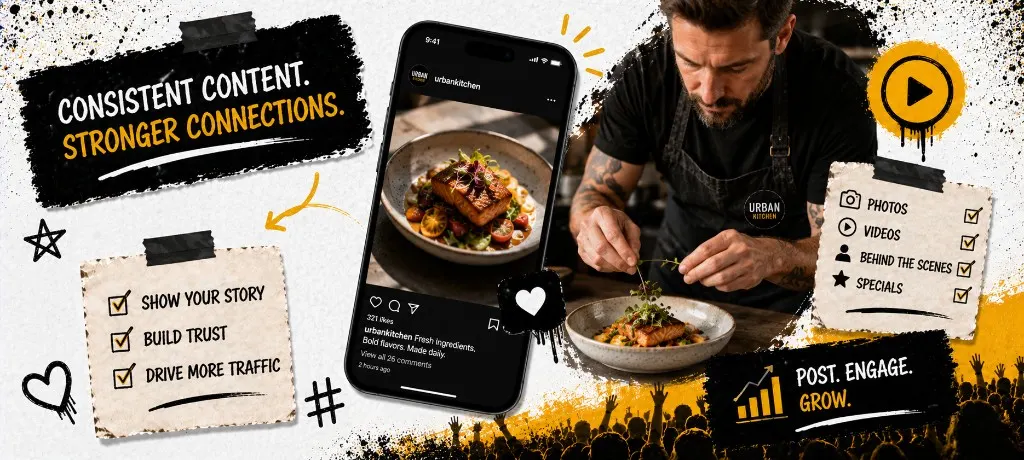
- Content: Shoot or schedule one short-form clip tied to a proof point or operational clarity.
- Content: If backlog exists, clip a 15-22s montage from existing footage.
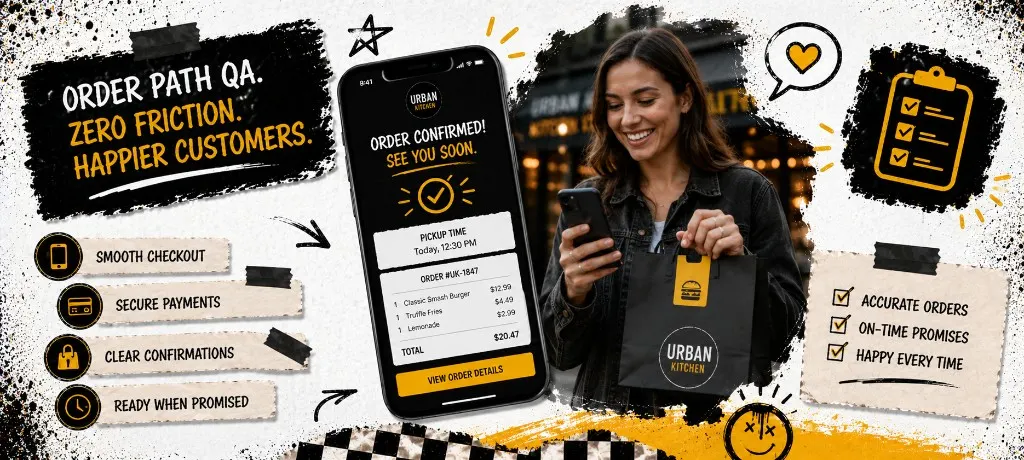
- Order path: Open ordering link on LTE incognito. Time to cart.
- Order path: Check modifiers, allergens, tipping flow, pickup vs. dine-in toggle.
- Order path: Note one UX friction bullet for your tech or POS partner.
- Log: Screenshot wins and share fix list with site/social/hours owner.
- Log: Confirm automated SMS and confirmation wording still matches reality. (Need to set up SMS? Start with our <a href='/blog/sms-marketing-for-restaurants-guide/'>restaurant SMS guide</a>.)
Rotate depth each week: Week A photos, Week B menu microcopy, Week C competitor keyword scan.
Common Mistakes That Make You Vanish
It is not a laziness problem
The operators who lose visibility are usually working hard. They are just missing the specific things that Google and Instagram use to decide who gets shown. Once you know what to check, the fixes are fast.
- Stale Google Business Profile photos tied to discontinued dishes. A guest sees the crispy pork belly you dropped in January and orders it. Trust killer.
- Your IG handle says one thing, the GBP website link goes somewhere else, and TikTok storefront is a third URL entirely. Guests get confused. Platforms get confused. Nobody wins.
- Two weeks of solid posting, then radio silence for a month. The algorithm stops recommending you and your followers assume you went on vacation.
- TikTok and Reels that are pure vibes with zero operational info in the caption. No hours, no allergens, no pickup instructions. Pretty but useless for the person trying to actually order.
- Negative reviews sitting unanswered for weeks. Prospects read the thread. A calm public reply does more for trust than a perfect star average.
All of these are fixable in one Monday session. Most of them get caught by the checklist above anyway. The difference is checking before someone complains instead of scrambling after.
Tooling Reality Check: Work With What Runs the Floor
You do not need another dashboard
Five tabs open, three of them half-updated, one still showing last month's hours. That is what happens without a single source of truth. Your menu and hours should sync to GBP, your IG link, and your TikTok storefront from one place. Fewer manual updates means fewer places to drift.
- Give the weekly order path check to a shift lead. Give the listing and content review to your GM. If everything depends on the owner doing it, nothing gets done during a busy week.
- If you run multiple locations, you probably need specialist help for listings at scale. A single spot can absolutely run this checklist alone.
- Outsource the creative if you want. Just keep a repeatable check that what is on the internet matches what is actually happening in your dining room.
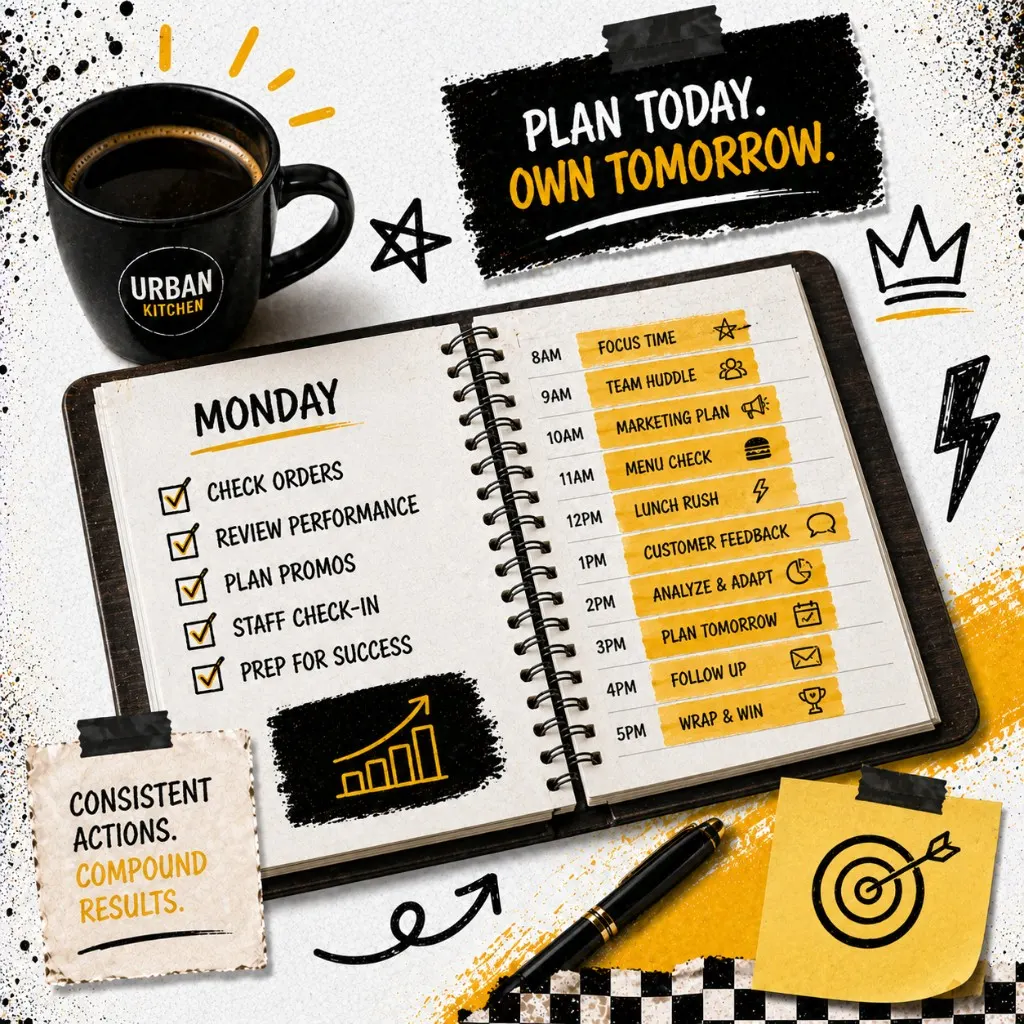
You are not going to go viral into permanent visibility. That is not how local search works. What works is showing up every Monday, fixing the small stuff, and making sure someone can actually order from you without friction. Do that for two months and your listing starts outranking people who only touch theirs when something breaks.
Put it on the calendar. Protect it like you protect payroll. Thirty minutes, every Monday, before service.

Katie Carswell
Account & Social Media Manager
Sharing firsthand stories and lessons learned from running an independent restaurant: margins, marketing, and owning your customer relationships.
How this guide was put together
This article was written for independent food businesses looking for practical ways to grow direct orders, repeat visits, and customer relationships. We keep the advice operator-focused, avoid generic playbooks, and update posts when the restaurant marketing landscape changes.